Trump Demands Payment for Strait of Hormuz Security, Criticizes Iran
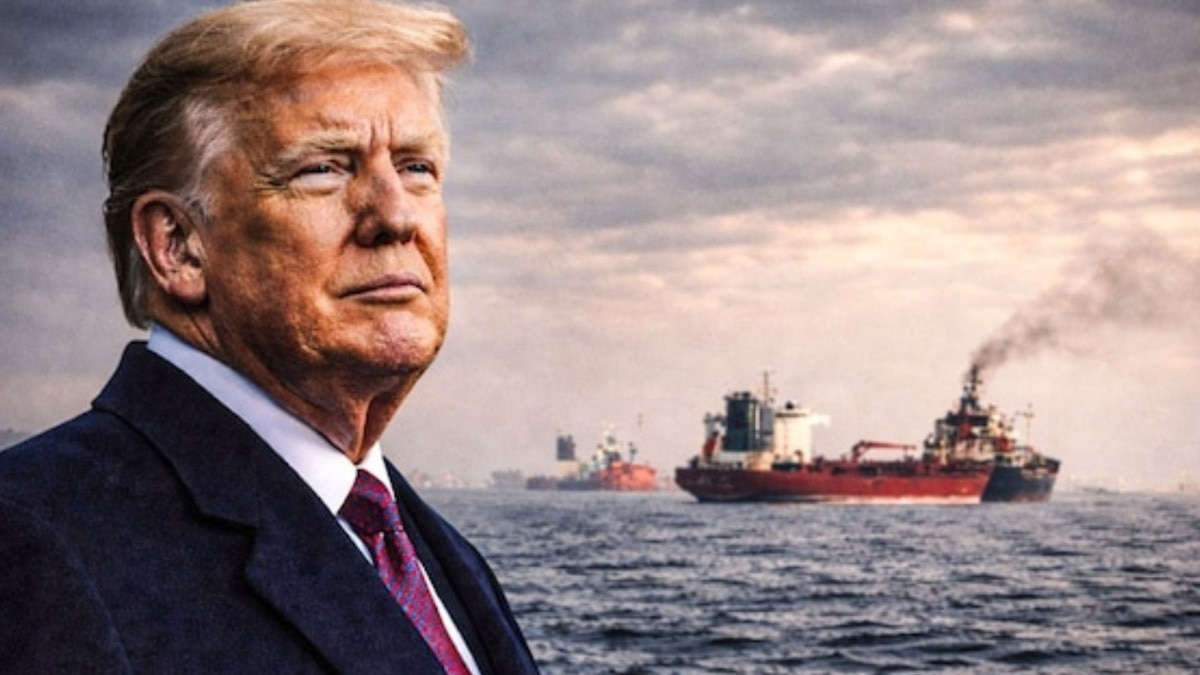
US President Donald Trump has stated that the United States is responsible for the security of the Strait of Hormuz and has demanded appropriate payment for this role. Trump made strong remarks against Iran, accusing the country of breaking an agreement. The President's comments highlight the strategic importance of the Strait of Hormuz, a vital waterway for global oil transport. His assertion of responsibility and demand for compensation suggest a transactional approach to international security commitments. The criticism of Iran indicates ongoing tensions between the two nations, particularly concerning Iran's nuclear program and regional influence. Trump's statements are likely to provoke further diplomatic discussions and potentially impact oil markets due to the Strait's critical role in energy supply chains. The US has previously expressed concerns about Iran's activities in the region, including alleged harassment of shipping vessels. This latest declaration from President Trump reiterates his administration's focus on burden-sharing and financial reciprocity in international alliances and security arrangements. The situation underscores the complex geopolitical dynamics at play in the Persian Gulf.
President Trump's assertion of US responsibility for the Strait of Hormuz and demand for payment frames international security as a transactional service. This perspective challenges traditional alliance structures, suggesting a shift towards quid pro quo arrangements rather than collective security pacts. Such an approach could incentivize greater burden-sharing from allies but may also destabilize existing geopolitical partnerships by introducing financial contingencies to security guarantees. The critique of Iran, while reflecting ongoing diplomatic friction, also serves to justify the demand for payment by highlighting perceived threats. Looking ahead, this transactional model of international relations, amplified by AI's potential to optimize resource allocation and threat assessment, may redefine national security calculus, prioritizing direct economic returns on security investments over broader strategic alliances.
AI-generated to prompt reflection — not editorial opinion, not advice, not a statement of fact. How this works.