Trump Demands "Total Capitulation" or Deal from Iran to End Naval Blockade
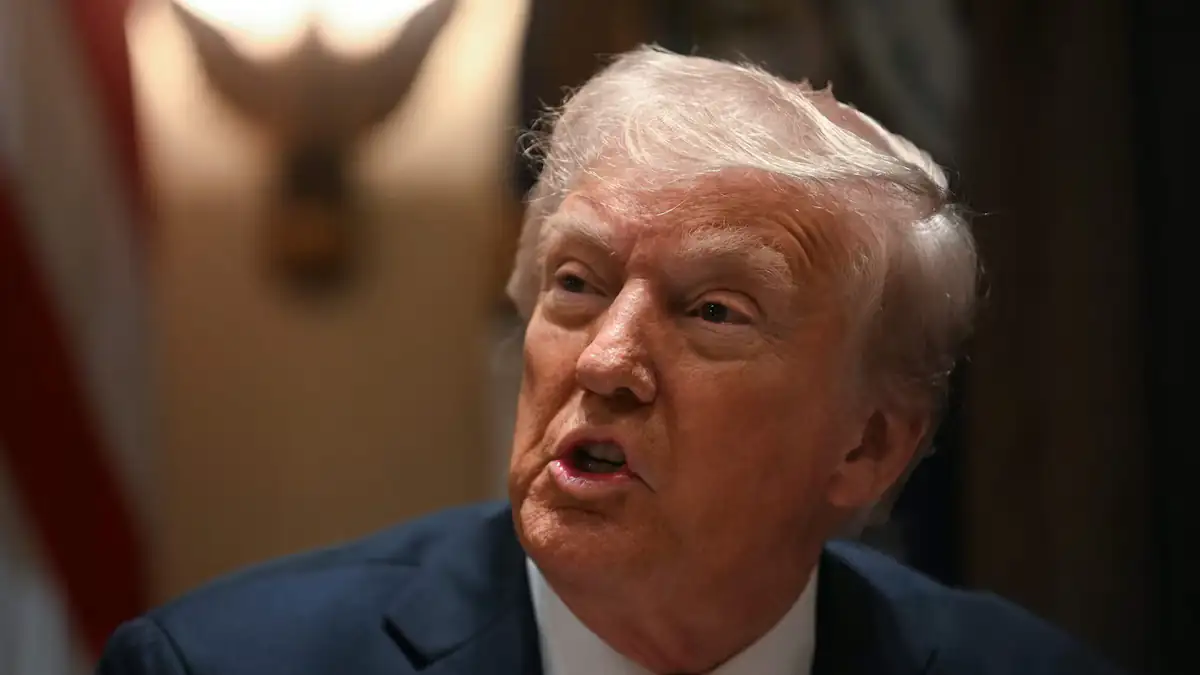
U.S. President Donald Trump declared on Monday, August 3rd, that the naval blockade against Iran will only be lifted if Tehran agrees to a deal with Washington or if it achieves "total capitulation." Trump also stated that discussions between the two nations would resume, a claim that Iranian authorities have denied. This latest statement from the U.S. president outlines stark choices for the Iranian government regarding the ongoing sanctions and naval blockade. The U.S. stance appears to be one of maximum pressure, leaving little room for negotiation beyond complete compliance with American demands. The Iranian government's denial suggests a rejection of Trump's ultimatum and a potential continuation of the current standoff. The situation remains tense as diplomatic channels appear to be strained, with conflicting statements emerging from both sides.
The U.S. president's ultimatum presents a binary choice for Iran, framing the situation as a non-negotiable demand for "total capitulation" or a negotiated settlement. This approach, while aiming to exert maximum leverage, risks hardening positions and escalating geopolitical tensions. From a strategic perspective, such stark ultimatums can undermine diplomatic efforts by limiting avenues for de-escalation and mutual understanding. The effectiveness of this strategy will depend on Iran's internal political calculus and its perceived capacity to withstand sustained economic and naval pressure, as well as the broader international community's response to the U.S. demands. This dynamic highlights the inherent tension between coercive statecraft and the pursuit of stable international relations in the current geopolitical landscape.
AI-generated to prompt reflection — not editorial opinion, not advice, not a statement of fact. How this works.
