Trump Denies Discussing World Cup Stake Sale with FIFA President Infantino
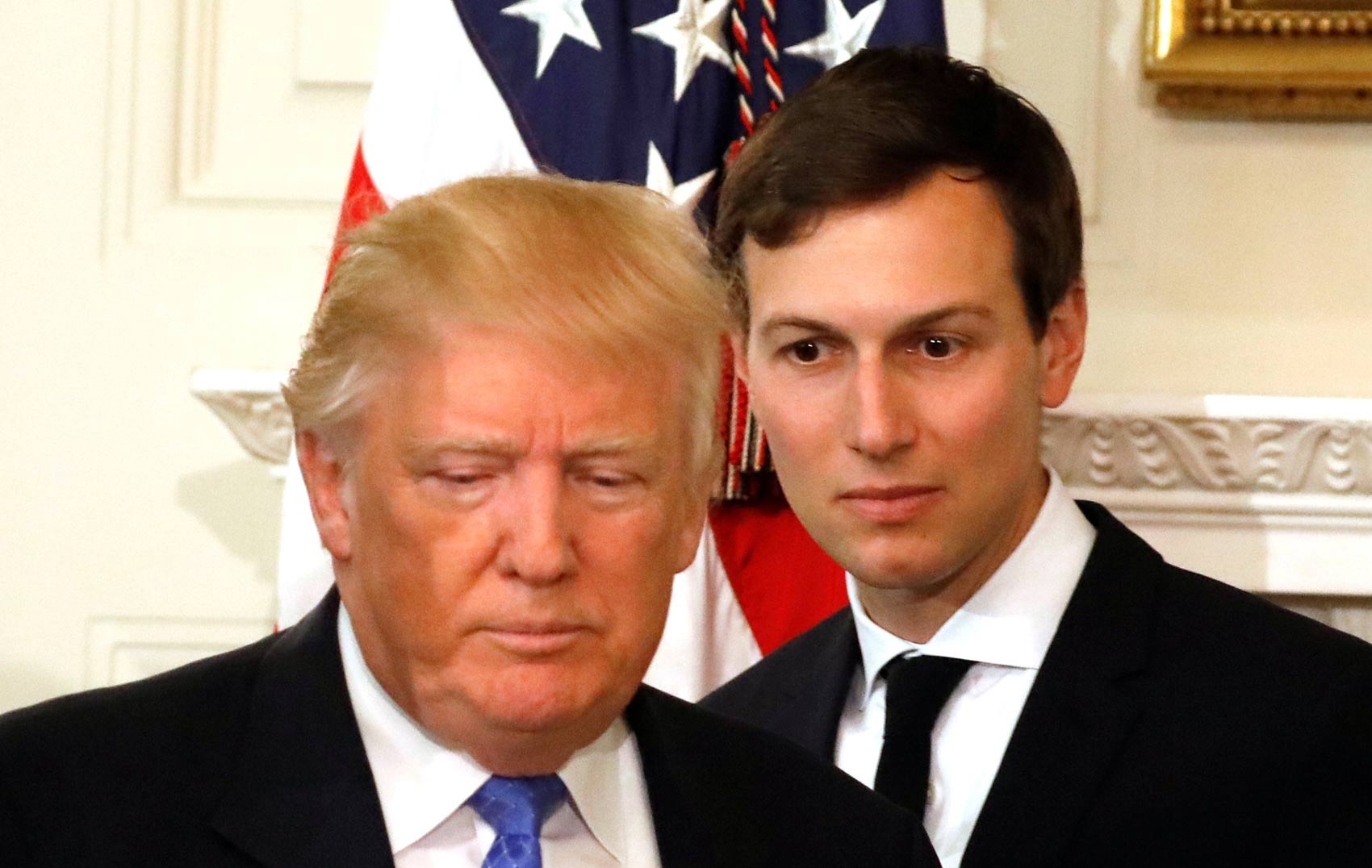
U.S. President Donald Trump has denied any conversations with FIFA President Gianni Infantino regarding a plan to sell a stake in World Cup business operations to private investors. Trump made these remarks to journalists at Camp David, responding to questions about the FIFA proposal. This statement comes shortly after FIFA announced the creation of a subsidiary valued at $20 billion to manage its core commercial assets, including the men's and women's World Cups and Club World Cups. The plan involves selling up to 20% of this new entity to private investors. Reports indicate a key interested party is a firm founded by Joshua Kushner, brother of Trump's son-in-law, Jared Kushner. Despite this familial connection, President Trump asserted he has not discussed the matter with Infantino, with whom he reportedly maintains a close relationship. The proposal has generated significant internal opposition within FIFA. Carlos Cordeiro, a senior advisor to the FIFA presidency and former U.S. Soccer Federation president, resigned in protest, calling the plan a "bad deal for football" that jeopardizes a valuable asset. Kevin Lamour, FIFA's director of operations, also criticized the lack of transparency, stating FIFA employees were "deceived" and characterizing the project as belonging to a "single person," referring to Infantino. Lamour, however, remains in his position and is prepared for potential repercussions. Cordeiro argued the sale is unjustified, citing FIFA's substantial cash reserves, lack of debt, and recent revenue of approximately $15 billion over four years, deeming it "mortgaging the future of football without a compelling justification."
The FIFA proposal to sell a stake in its commercial operations, particularly those tied to the World Cup, presents a complex interplay of governance, financial strategy, and potential conflicts of interest. While FIFA cites the need for private investment to capitalize on its assets, critics highlight the organization's strong financial position and question the long-term implications of diluting control over its most valuable properties. The involvement of entities linked to the U.S. President's family introduces a layer of political scrutiny, even with Trump's denial of direct involvement. This situation underscores a broader trend of seeking private capital for public-facing assets, raising questions about accountability and the prioritization of sporting integrity versus commercial returns. Future governance models may need to balance revenue generation with the preservation of core assets for the benefit of the sport's ecosystem, particularly in an era where intangible assets are increasingly central to global economies.
AI-generated to prompt reflection — not editorial opinion, not advice, not a statement of fact. How this works.