Trump Denies Iran Strait of Hormuz Blockade Amid Reports of New Attacks
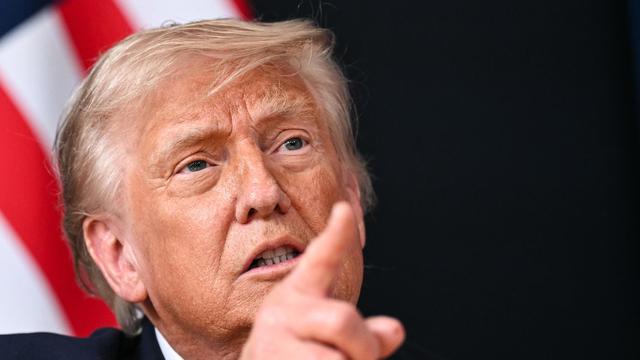
U.S. President Donald Trump has denied reports suggesting a blockade of the Strait of Hormuz. This statement comes in direct contradiction to claims made by Iran. Iranian media outlets, meanwhile, have reported new aerial attacks occurring within the strategic waterway. The Strait of Hormuz is a critical chokepoint for global oil transport, making any disruption there a significant concern for international markets. The conflicting reports raise questions about the accuracy of information being disseminated from the region. Further details regarding the nature and impact of the alleged attacks have not been disclosed by either side. The situation highlights the ongoing tensions between the United States and Iran in the Persian Gulf. Both nations have previously engaged in actions that have heightened regional instability. The international community is closely monitoring developments, given the potential economic and security implications.
The conflicting narratives surrounding the Strait of Hormuz underscore the challenges of information warfare in geopolitical flashpoints. Divergent claims from state actors and media outlets necessitate a critical assessment of sources, considering potential biases and strategic objectives. The economic sensitivity of oil transit through this vital waterway means that any perceived threat can trigger significant market volatility. Future analyses should consider how information control and public perception management are employed as tools of statecraft, particularly in regions with high strategic importance and existing geopolitical tensions. Understanding these dynamics is crucial for navigating complex international relations and anticipating potential escalations.
AI-generated to prompt reflection — not editorial opinion, not advice, not a statement of fact. How this works.