Trump Downplays Red Sea Blockade Threat, Suggests US Action if Necessary
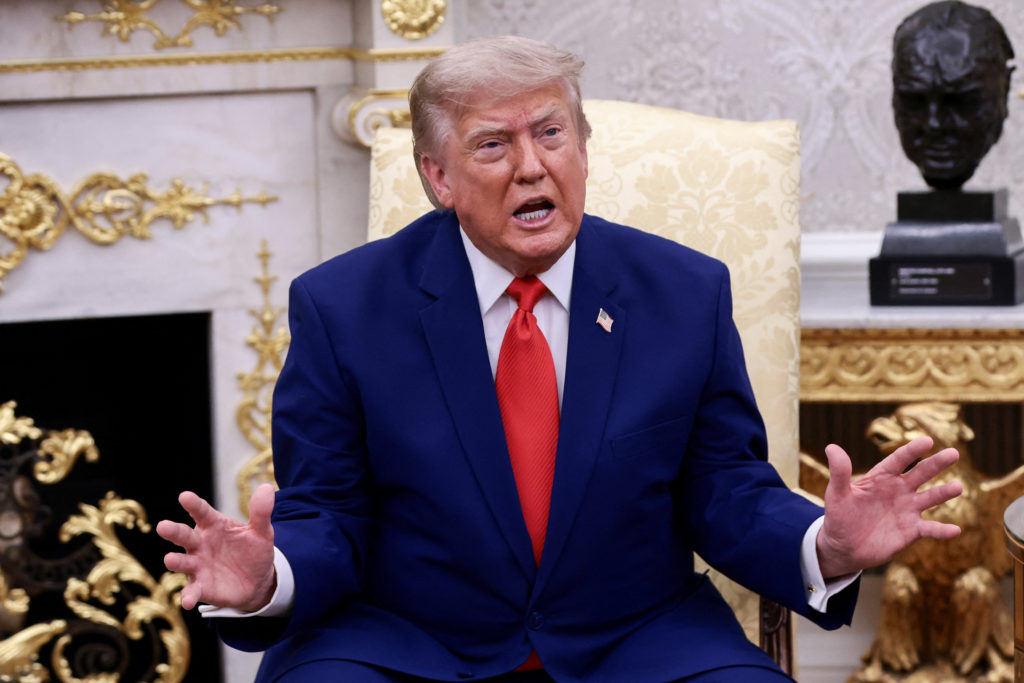
Former President Donald Trump stated on Tuesday that a potential blockade of the Red Sea by Houthi rebels is not an immediate concern. When questioned about his level of worry regarding such a scenario, orchestrated by the Iranian-backed Houthi group, Trump indicated that the United States would be prepared to "take care" of the situation if it were to materialize. His remarks suggest a willingness to intervene militarily should the Houthis disrupt shipping lanes in the vital waterway. The former president's comments come amid ongoing geopolitical tensions in the region and persistent concerns over Iran's influence through proxy groups like the Houthis. While not elaborating on the specific actions the U.S. might take, Trump's statement implies a firm stance against any attempts to impede international maritime traffic.
Former President Trump's assertion regarding the Red Sea blockade highlights a potential divergence in foreign policy approaches concerning regional stability and freedom of navigation. The statement implies a willingness to employ decisive action, potentially military, to counter threats to international trade routes. This perspective contrasts with diplomatic or multilateral strategies that might prioritize de-escalation and international cooperation. Evaluating this stance through a future-oriented lens, the effectiveness and long-term consequences of unilateral intervention versus collaborative security frameworks in maintaining global maritime security warrant consideration, especially in an era of evolving geopolitical alliances and technological advancements in naval capabilities.
AI-generated to prompt reflection — not editorial opinion, not advice, not a statement of fact. How this works.