Trump-era FDA Cuts Linked to Widespread Cyclosporiasis Outbreak
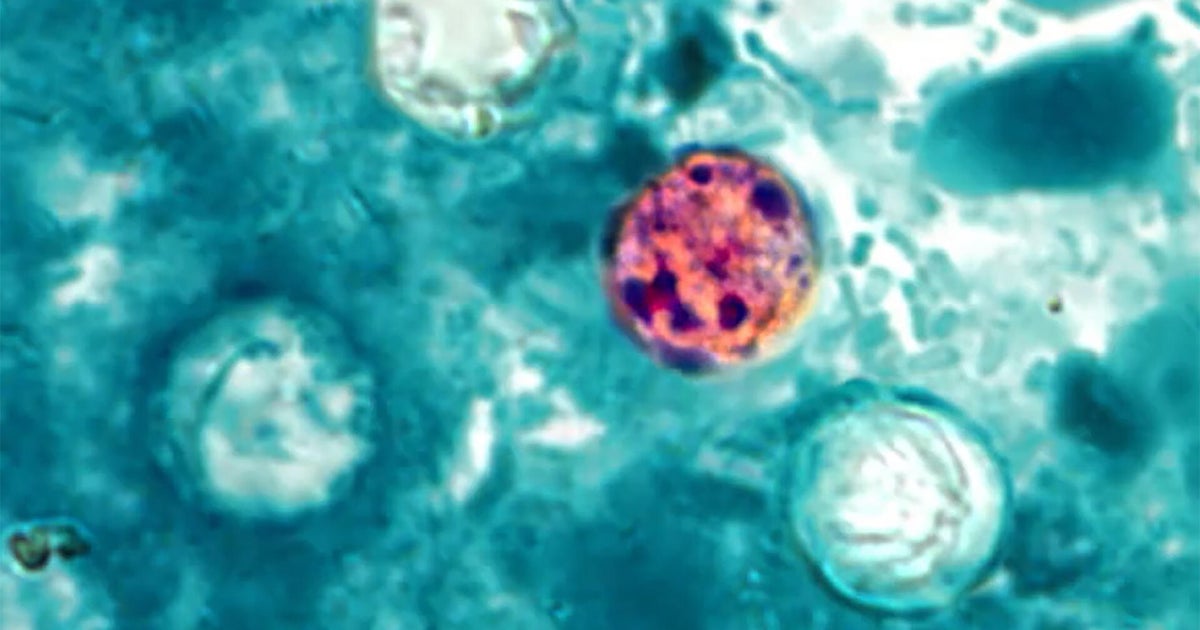
A significant outbreak of cyclosporiasis, a parasitic illness, has affected over 11,000 people across 41 U.S. states since May. This surge in cases follows a series of actions taken by the Trump administration that experts believe have weakened food safety protocols. These measures included substantial reductions in staff at the Food and Drug Administration (FDA) and the Centers for Disease Control and Prevention (CDC). Additionally, a national advisory committee focused on preventing microbial contamination in food was dissolved. An early-warning surveillance program designed to detect specific pathogens was also scaled back. Furthermore, the implementation of a rule mandating the tracing of contaminants from their origin in the field to their final sale in stores was delayed. Correspondent David Pogue has spoken with experts who view the current state of food safety as a critical warning for the nation.
The reported increase in cyclosporiasis cases, coinciding with specific actions by the previous administration to reduce FDA and CDC resources and dismantle food safety programs, raises questions about the long-term impact of such policy decisions on public health infrastructure. The disbanding of advisory committees and scaling back of surveillance programs may have diminished the capacity for early detection and prevention of foodborne illnesses. This situation highlights the complex interplay between regulatory policy, resource allocation, and the safeguarding of consumer health, suggesting that proactive investment in robust food safety systems is crucial for mitigating risks associated with emerging pathogens and supply chain vulnerabilities in the future.
AI-generated to prompt reflection — not editorial opinion, not advice, not a statement of fact. How this works.