Trump Expresses Anger at NATO, Presses Greenland Acquisition, Criticizes Allies
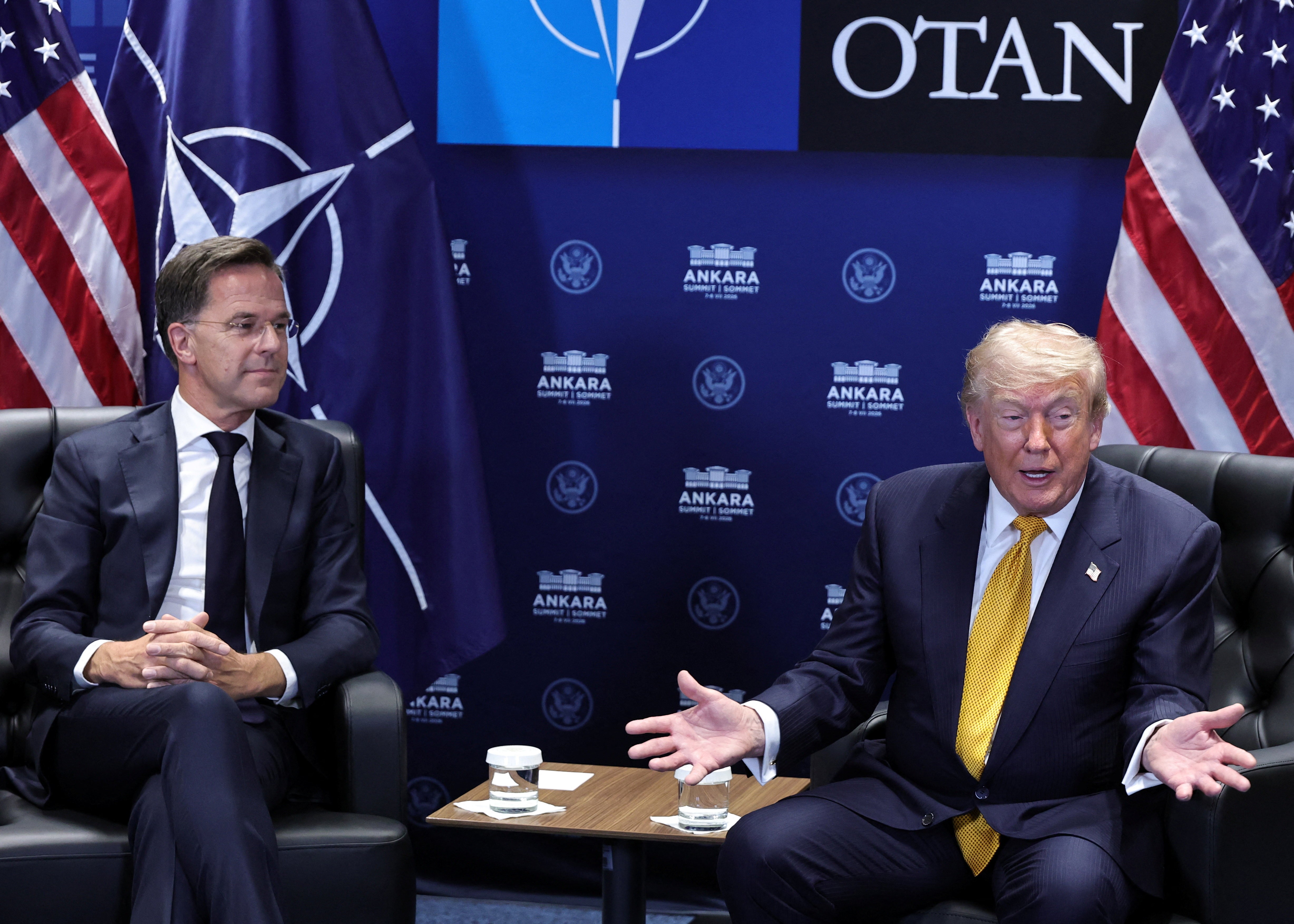
U.S. President Donald Trump arrived at a NATO summit in Ankara, Turkey, on July 8, 2026, expressing significant frustration with the alliance and its members. He criticized Denmark's sovereignty over Greenland, citing its strategic importance for U.S. security and global protection, and stated that the island is more vital to the U.S. than to Denmark. Trump reiterated his desire for the U.S. to acquire Greenland, a move previously met with Danish resistance. Danish Prime Minister Mette Frederiksen reaffirmed that Greenland is not for sale and asserted the territory's right to self-determination, pledging to defend every inch of NATO land, including Greenland, with allied support. Trump also voiced dissatisfaction with NATO's perceived lack of support in the conflict with Iran, which he initiated with Israel on February 28. He accused allies of failing to assist in confronting Iran, which he labeled the principal state sponsor of terrorism. Additionally, Trump renewed his criticism of Spain for its defense spending and alleged refusal to allow the use of two military bases during the recent conflict with Iran. He declared Spain a "lost cause" and threatened to end trade relations, recalling Spain's failure to commit to a NATO defense spending target of 5% of GDP by 2035. A Spanish government source responded calmly, emphasizing the strong social, cultural, and economic ties between Spain and the U.S., and noted that U.S.-EU trade relations are not individualized.
President Trump's public criticisms at the NATO summit highlight persistent tensions regarding burden-sharing and strategic priorities within the alliance. His assertive stance on Greenland, framed as a security imperative, clashes with principles of national sovereignty and self-determination, potentially creating friction within NATO's collective defense framework. The U.S. president's dissatisfaction with allied support against Iran and perceived underinvestment in defense by some members, like Spain, underscores a transactional approach to international relations. This approach may challenge the long-term viability of multilateral security commitments, as it prioritizes immediate, unilateral gains over shared strategic objectives. The events suggest a potential divergence between U.S. national interests as defined by the current administration and the foundational tenets of collective security that underpin NATO, prompting reflection on the future balance of contributions and commitments within the alliance.
AI-generated to prompt reflection — not editorial opinion, not advice, not a statement of fact. How this works.