Trump expresses disappointment over potential Chinese arms sales to Iran, criticizes Fauci
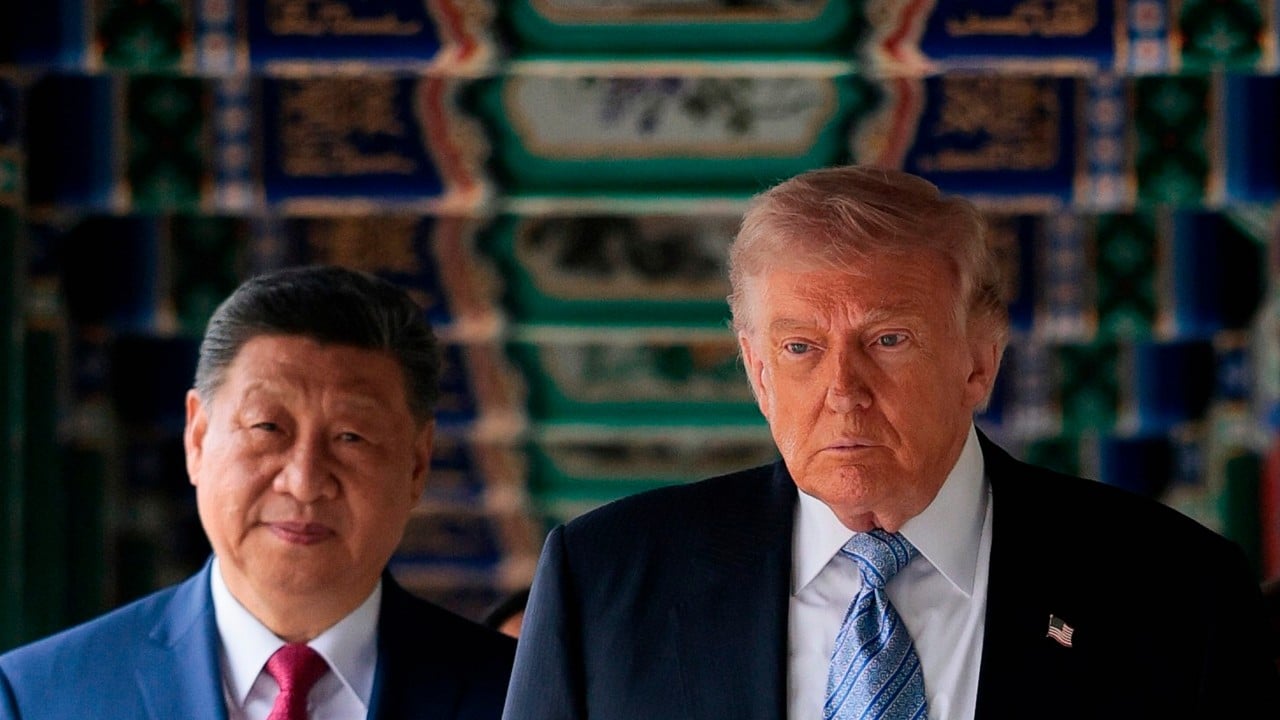
US President Donald Trump stated he would be "quite disappointed" if Chinese President Xi Jinping violates a personal commitment not to supply arms to Iran. This statement was made amidst ongoing tensions and accusations. Trump also reiterated his earlier claims that Dr. Anthony Fauci, a prominent US health official and former head of the US pandemic response, had previously aided China in evading accountability regarding the origins of the COVID-19 virus. Fauci's appearance before a Senate committee on the pandemic response coincided with these remarks. Concurrently, a Reuters report indicated that Iran is anticipated to receive between 300 and 400 weapons manufactured in China. The specific nature of these weapons was not detailed in the provided text.
The interplay between geopolitical commitments and national security interests presents a recurring challenge in international relations. President Trump's remarks highlight the potential for divergent strategic objectives between the US and China, particularly concerning arms proliferation in sensitive regions like the Middle East. The accusation against Dr. Fauci, while politically charged, points to broader discussions around transparency and international cooperation during global health crises. Examining such events through the lens of future international governance suggests a need for robust multilateral frameworks that can effectively manage arms control agreements and ensure accountability in pandemic preparedness, thereby mitigating risks associated with unilateral actions and fostering greater global stability.
AI-generated to prompt reflection — not editorial opinion, not advice, not a statement of fact. How this works.