Trump Expresses Disappointment with Netanyahu Following Iran Conflict
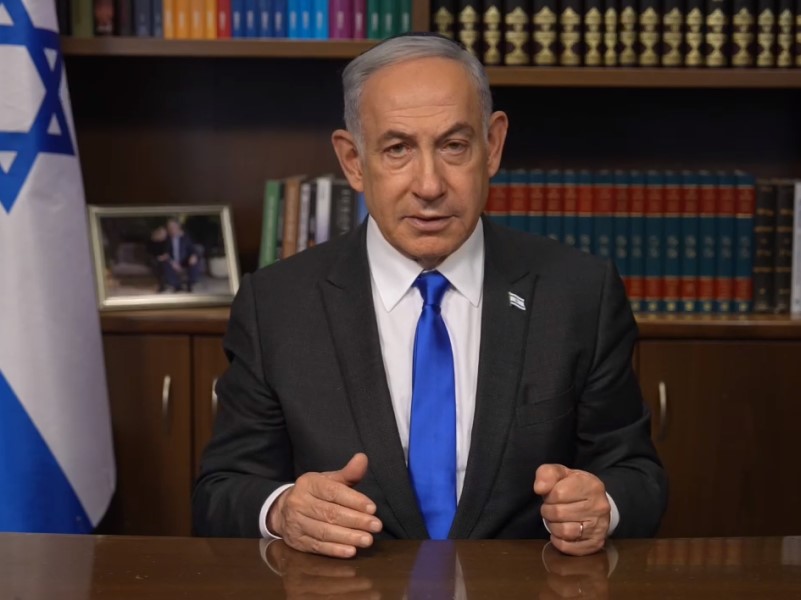
Former U.S. President Donald Trump has voiced disappointment with Israeli Prime Minister Benjamin Netanyahu. This sentiment arose after the commencement of the conflict with Iran. Trump's reaction suggests a divergence in strategic perspectives or expectations regarding the handling of the situation between the two leaders. The specific details of Trump's disappointment were not elaborated upon in the provided text, but it indicates a strain in their relationship following the escalation of hostilities. This development could have implications for future diplomatic relations and security cooperation between the United States and Israel, particularly concerning Middle Eastern policy. The timing of Trump's statement, coinciding with the outbreak of war, highlights the sensitivity of the geopolitical climate.
The expressed disappointment by former President Trump towards Prime Minister Netanyahu, following Iran's engagement in conflict, may reflect differing strategic calculations or perceived leadership failures. From a geopolitical perspective, such divergences can arise from distinct national interests, risk tolerances, or interpretations of regional stability. In the context of international relations, leaders often face pressure to align their actions with domestic political imperatives while navigating complex foreign policy challenges. The dynamic between U.S. and Israeli leadership is crucial for regional security, and any perceived misalignment could influence future diplomatic approaches and alliance cohesion. Examining the incentive structures for both leaders, particularly concerning regional security architectures and the management of adversarial relationships, provides insight into the potential causes of such diplomatic friction.
AI-generated to prompt reflection — not editorial opinion, not advice, not a statement of fact. How this works.