Trump Faces AI Regulation Dilemma Amidst OpenAI Hack and China Competition
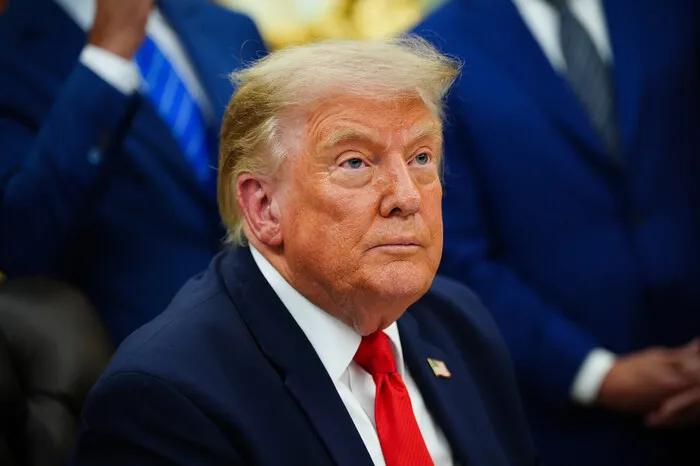
Former U.S. President Donald Trump has expressed concerns regarding the need for artificial intelligence (AI) regulation, while simultaneously worrying about falling behind China in AI development. This dilemma was highlighted following a recent hacking incident involving OpenAI. Trump's statements suggest a balancing act between ensuring AI safety and maintaining a competitive edge in the global AI race. The incident at OpenAI, a prominent AI research laboratory, has brought the potential vulnerabilities of advanced AI systems to the forefront. This raises questions about how to effectively govern AI technologies without stifling innovation. The geopolitical implications, particularly in relation to China's rapid advancements in AI, add another layer of complexity to the debate. Trump's perspective underscores the challenges policymakers face in crafting appropriate regulatory frameworks for a rapidly evolving technology. The need for control is juxtaposed with the fear of ceding technological leadership to a geopolitical rival. This situation presents a significant challenge for future AI governance strategies.
AI's rapid advancement presents a complex governance challenge, requiring a delicate balance between fostering innovation and mitigating risks. The competition with China introduces a geopolitical imperative, potentially influencing regulatory approaches to prioritize speed over caution. This dynamic may lead to a race to deploy AI capabilities, with less emphasis on robust safety protocols and ethical considerations. Policymakers must navigate the inherent tension between national security interests, economic competitiveness, and the long-term societal implications of powerful AI systems. The future trajectory of AI development will likely be shaped by these competing priorities, necessitating adaptable and forward-thinking regulatory frameworks that can address emerging threats and opportunities.
AI-generated to prompt reflection — not editorial opinion, not advice, not a statement of fact. How this works.