Trump faces choice: National security vs. Mac prices in Apple-China chip deal
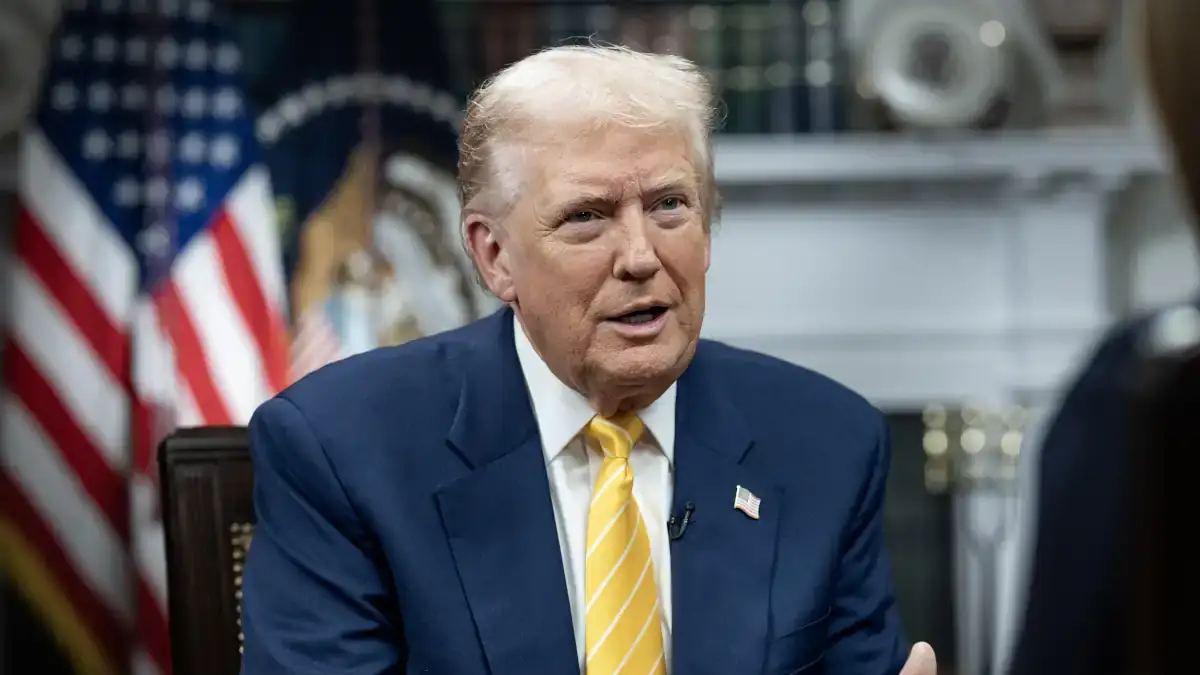
The U.S. Congress may face a similar standoff as it did four years ago regarding Apple's relationship with a Chinese chip manufacturer. Tim Cook's company is now seeking approval from the Trump administration to purchase memory from a Chinese firm reportedly linked to Beijing's military. This request puts President Trump in a difficult position, forcing him to weigh national security concerns against the potential impact on consumer prices, specifically for Mac computers. The decision could have significant implications for both the tech industry and U.S.-China relations. Previous attempts to restrict such collaborations have highlighted the complex interplay between economic interests and geopolitical considerations. Apple's reliance on global supply chains, including those in China, has been a long-standing factor in its production strategy. The administration's response will likely set a precedent for future technology trade policies. This situation underscores the ongoing challenges in balancing technological advancement with security imperatives in an increasingly interconnected world. The outcome could influence Apple's manufacturing costs and, consequently, the retail prices of its popular products.
This situation presents a classic dilemma where national security objectives clash with economic incentives. The U.S. administration must navigate the potential risks associated with sourcing critical components from a Chinese company with alleged military ties, which could impact technological sovereignty and defense capabilities. Simultaneously, restricting such a supply chain could lead to increased production costs for Apple, potentially raising consumer prices for widely used products like Macs and affecting market competitiveness. The decision will likely be influenced by the prevailing geopolitical climate and the administration's broader strategy towards China. Evaluating this through a longer-term lens, the event highlights the systemic challenge of decoupling advanced technology supply chains without significant economic disruption, a complexity that will only intensify with the global push towards AI and increased reliance on sophisticated hardware.
AI-generated to prompt reflection — not editorial opinion, not advice, not a statement of fact. How this works.