Trump FCC's Broadcast TV Speech Policing Efforts Draw Criticism
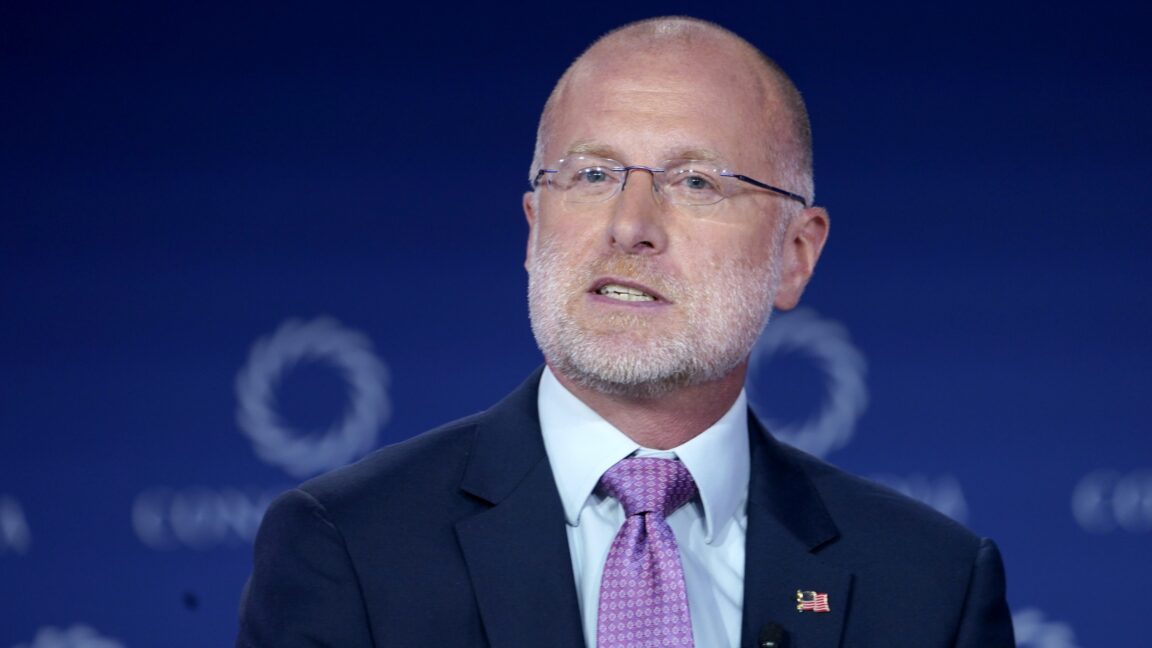
The Federal Communications Commission (FCC) under the Trump administration has faced significant backlash for its efforts to regulate speech on broadcast television. Critics argue that these actions send a "chilling message" to broadcasters, warning them of repercussions if they air content deemed undesirable. This approach has raised concerns about potential government overreach and its impact on freedom of expression within the media landscape. The FCC's actions are seen by some as an attempt to exert political influence over the content aired by television networks. This has sparked debate about the boundaries of regulatory power and the role of the government in shaping media narratives. The blowback suggests a strong resistance to perceived censorship and a defense of journalistic independence. The implications for future media regulation and the protection of free speech are significant, as this situation highlights a tension between regulatory oversight and the principles of open discourse.
The FCC's actions under the Trump administration appear to reflect a tension between regulatory oversight and the First Amendment's protection of free speech. By signaling potential penalties for airing certain content, the agency may have inadvertently created an environment where broadcasters self-censor to avoid repercussions. This dynamic could stifle diverse viewpoints and limit the public's access to a full spectrum of information. Looking ahead, the FCC's approach to content regulation will be a critical factor in shaping the future media landscape, particularly as technological advancements continue to diversify communication channels. Striking a balance between maintaining public interest standards and upholding robust free speech principles will be essential for fostering a healthy and open media ecosystem.
AI-generated to prompt reflection — not editorial opinion, not advice, not a statement of fact. How this works.