Trump Halts Iran Attack for Deal, Citing "Quick" Resolution
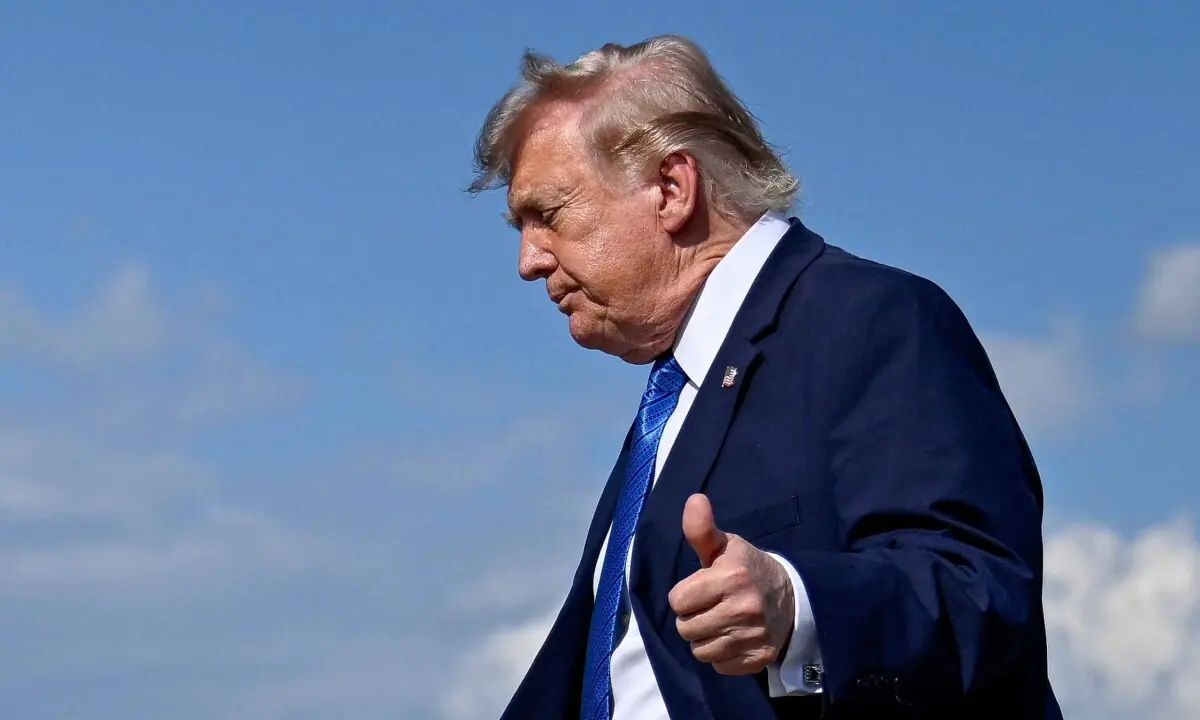
President Donald Trump announced on Saturday that he would postpone a planned attack on Iran, contingent on the swift finalization of a deal to curb Tehran's nuclear program and reopen the Strait of Hormuz. Trump stated on his Truth Social platform that Iran and other Middle Eastern nations had requested time to secure a comprehensive agreement for the immediate and complete reopening of the vital shipping lane and an end to Iran's nuclear pursuits. He indicated that he had agreed to cancel the attack for the "future benefit of the WORLD and, likewise, the survival of a successful and prosperous Iran," provided a rapid deal could be struck. Israel reportedly shares this commitment, though no immediate public statement was issued by the Israeli government. This development follows Iran's warnings against any "adventurous action" by the U.S. and its assertion that it would retaliate decisively against any American strikes. Iranian Foreign Minister Abbas Araqchi engaged in separate calls with Turkish, Pakistani, and Saudi officials, discussing the implications of U.S. "destabilizing actions" and regional insecurity. Kuwait's army reported destroying Iranian-launched drones targeting vital facilities, while the UK Maritime Trade Operations noted maritime incidents off Oman, including a tanker being struck by a projectile. Oil prices have remained elevated since the conflict began on February 28, with Brent crude futures rising significantly in July, and analysts anticipate further increases. The ongoing conflict has deterred most shipping through the Strait of Hormuz, impacting the global economy, and threats have also emerged concerning the Bab el-Mandeb strait.
The geopolitical situation highlights the complex interplay of energy security, nuclear proliferation concerns, and regional stability. President Trump's decision to pause military action in favor of a diplomatic "deal" reflects a strategic calculation to manage immediate economic pressures, particularly elevated oil prices, while addressing long-term security objectives. The reliance on a "quick" resolution suggests a potential vulnerability to protracted negotiations or a desire to avoid further escalation that could destabilize global energy markets. The involvement of multiple regional actors underscores the interconnectedness of Middle Eastern security dynamics and the potential for localized conflicts to have far-reaching economic consequences. Future policy will likely be shaped by the perceived efficacy of sanctions versus military options, the willingness of international partners to engage in diplomatic solutions, and the evolving threat landscape posed by nuclear ambitions and regional proxy conflicts.
AI-generated to prompt reflection — not editorial opinion, not advice, not a statement of fact. How this works.