Trump Halts Major Attack on Iran Amidst Domestic Political Pressure
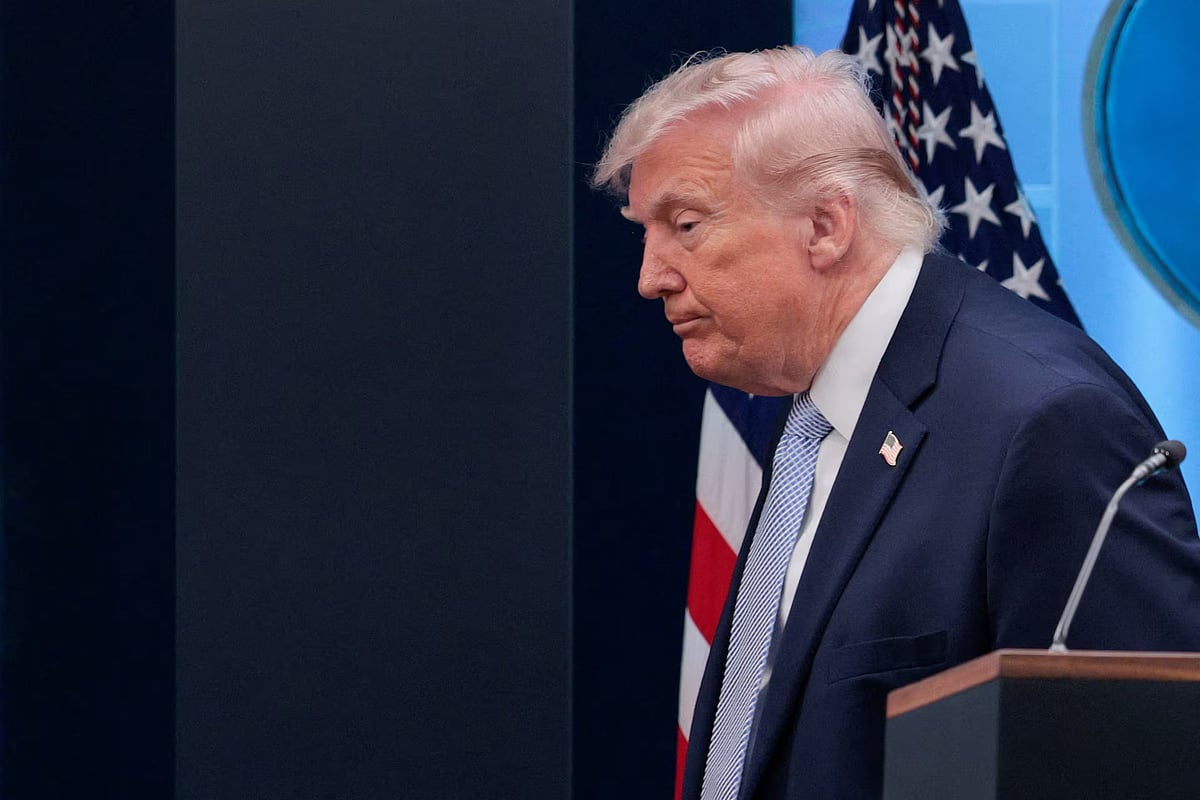
U.S. President Donald Trump has reportedly postponed a large-scale attack on Iran following a meeting with advisors at the White House last week. This decision appears to stem from increasing domestic political challenges faced by Trump and the Republican Party, largely driven by mounting economic pressures. Recent polls indicate significant opposition to the war within the United States, with approximately 70 percent of American citizens reportedly against military engagement. The administration is navigating a complex landscape where international actions are increasingly influenced by domestic public opinion and economic stability. This pause suggests a strategic recalibration, prioritizing internal political considerations alongside foreign policy objectives. The administration's approach indicates a sensitivity to public sentiment and the potential electoral consequences of initiating a new conflict. Further developments will likely depend on the evolving economic situation and the sustained public mood regarding potential military interventions.
The decision to defer military action against Iran, influenced by domestic economic strain and public opposition, highlights the intricate interplay between foreign policy and internal political calculus. This situation underscores how global events are increasingly mediated by domestic approval ratings and economic realities, particularly in democratic systems. The administration's responsiveness to polling data and potential electoral repercussions suggests a pragmatic approach to conflict initiation, balancing geopolitical ambitions with the imperative of maintaining domestic support. Looking ahead, the sustainability of such restraint will likely hinge on the efficacy of economic sanctions and the administration's ability to manage public perception, especially as the global landscape continues to be shaped by technological advancements and evolving geopolitical alliances.
AI-generated to prompt reflection — not editorial opinion, not advice, not a statement of fact. How this works.