Trump Halts Strikes Against Iran Amid Missile Shortage Fears
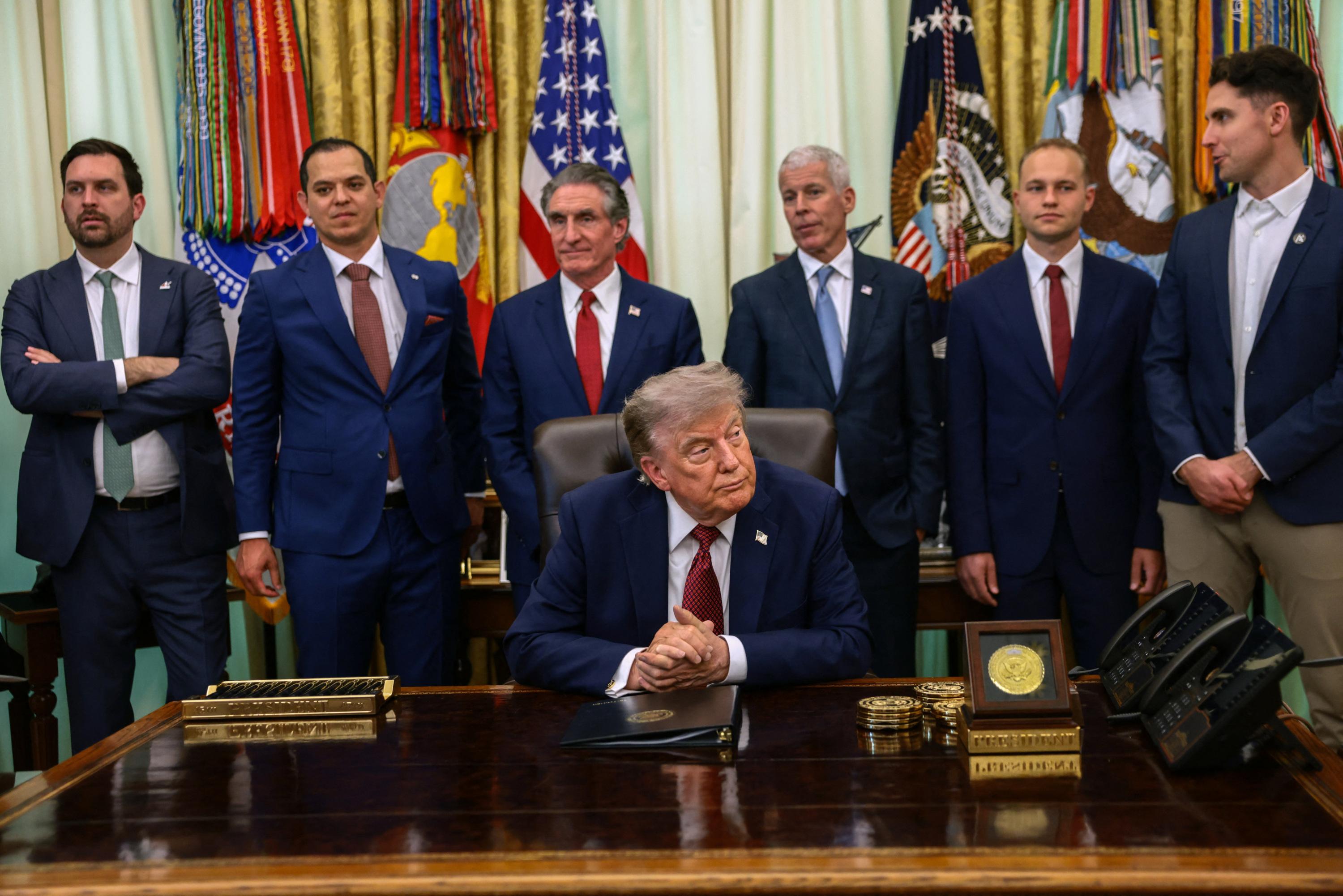
Following two weeks of escalating confrontations, U.S. President Donald Trump has reportedly decided to suspend further military strikes against Iran. This decision comes after his principal advisors urged him to de-escalate the situation. The concern driving this pause is a potential shortage of missiles available for future operations. The administration is now reassessing its strategy in light of these constraints. This development marks a significant shift after a period of heightened tensions between the two nations. The advice from his top counselors appears to have been instrumental in this policy change. The focus now shifts to diplomatic or other means of addressing the ongoing issues with Iran.
The reported suspension of strikes against Iran, driven by concerns over missile availability, highlights the logistical and strategic constraints that can influence geopolitical decision-making. This situation underscores the tension between military objectives and the practical realities of resource management, particularly in prolonged or escalated conflicts. Future policy may need to balance kinetic actions with the sustained capacity to execute them, potentially favoring diplomatic or economic pressures when military options become resource-prohibitive. This event prompts consideration of how international relations are shaped not only by political will but also by the material limitations of military power in the coming decade.
AI-generated to prompt reflection — not editorial opinion, not advice, not a statement of fact. How this works.