Trump Hints at Major Retaliation Amid Ongoing US-Iran Tensions
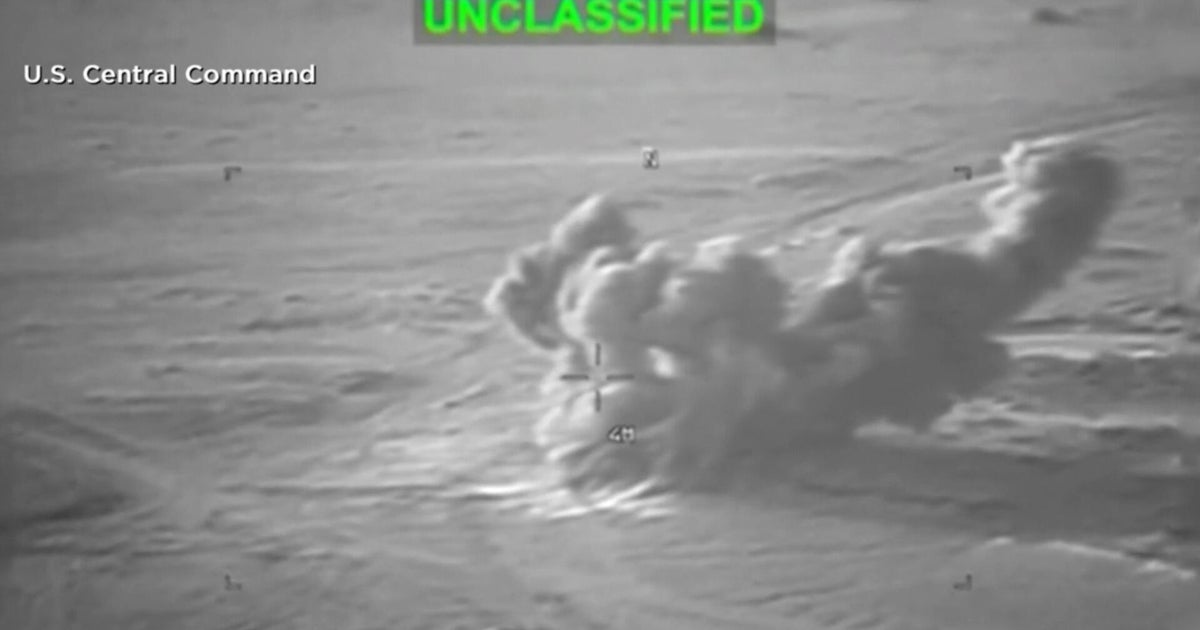
President Trump has indicated the possibility of a "massive attack" that would be "bigger than ever before" in response to escalating actions between the United States and Iran. This statement comes as the two nations have been engaged in a series of retaliatory strikes for thirteen consecutive days. The ongoing conflict raises concerns about further regional instability and the potential for a wider confrontation. In separate news, a seaplane crash off the coast of Washington state resulted in the rescue of eleven individuals. The circumstances of the crash and the condition of the passengers are still being assessed. This report covers these significant developments, highlighting the volatile geopolitical situation and a separate emergency rescue operation.
The rhetoric surrounding potential military actions between the US and Iran, particularly statements suggesting a "massive attack," warrants careful consideration of the underlying strategic objectives and potential consequences. Such pronouncements, while potentially serving as deterrents or signaling resolve, also carry the risk of unintended escalation. Analyzing the incentive structures for both nations is crucial; Iran may perceive aggressive posturing as a means to counter perceived US dominance, while the US might view it as necessary to protect its interests and allies. The long-term implications of such a tit-for-tat exchange, especially in the context of evolving global power dynamics and the increasing interconnectedness of international security, could lead to prolonged regional instability. Future policy decisions will likely be shaped by a complex interplay of domestic political pressures, international alliances, and the economic ramifications of sustained conflict.
AI-generated to prompt reflection — not editorial opinion, not advice, not a statement of fact. How this works.