Trump: Hormuz Strait Open to All Ships Except Those Linked to Iran
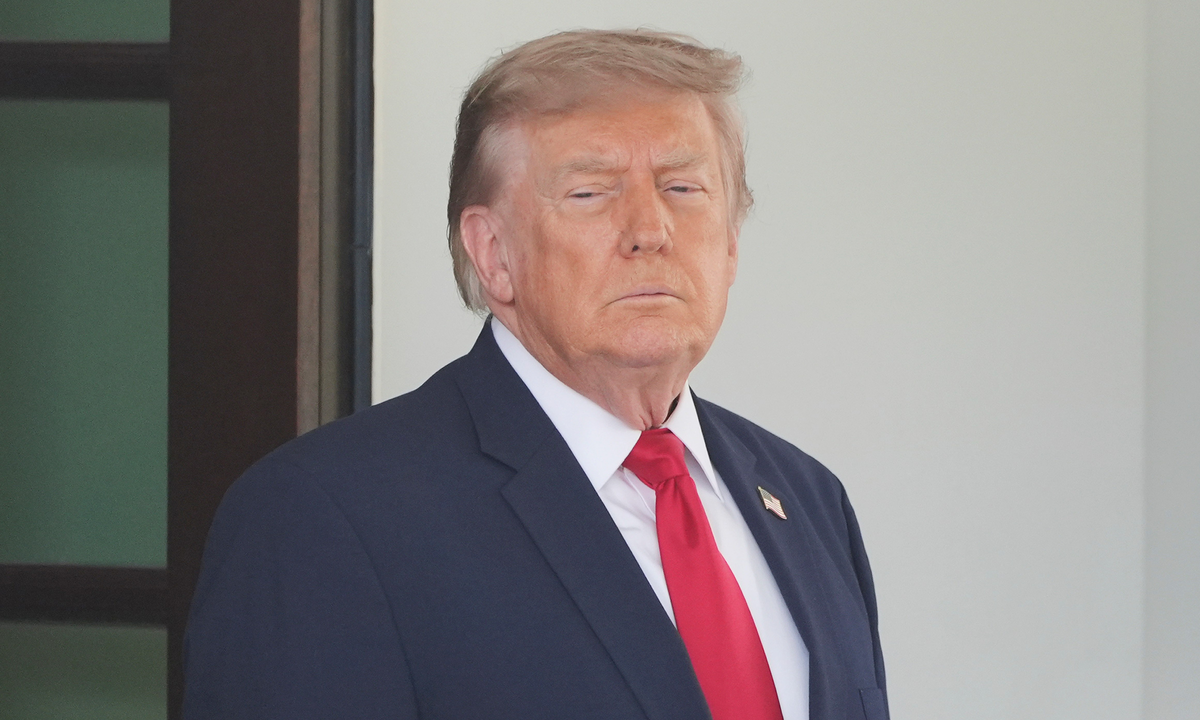
Former U.S. President Donald Trump announced that the Strait of Hormuz will remain open to all maritime traffic, with the exception of vessels associated with Iran. This statement comes as Trump revealed he has abandoned a previous plan to impose a "protection fee" on cargo ships transiting the vital waterway. The decision indicates a shift in U.S. policy regarding the strategic strait, which is a critical chokepoint for global oil shipments. While the specifics of which vessels are deemed "related to Iran" remain unclear, the announcement suggests a continued effort to exert pressure on Iran through maritime access restrictions. The move could impact international trade and naval operations in the Persian Gulf region.
Former President Trump's declaration regarding the Strait of Hormuz reflects a strategic recalibration of maritime access, prioritizing a selective openness contingent on state affiliation rather than a universal free passage. This approach, while ostensibly aimed at isolating Iran, introduces complexities in enforcement and potentially creates friction with international maritime law principles that generally uphold freedom of navigation. The policy's long-term efficacy will depend on the clarity of its operational definitions and its impact on global supply chains, which are increasingly sensitive to geopolitical maneuvering. Future administrations may need to navigate the precedent set by such conditional access, balancing national security objectives with the imperative of maintaining stable international trade routes.
AI-generated to prompt reflection — not editorial opinion, not advice, not a statement of fact. How this works.