Trump Imposes 50% Tariffs on Canadian Goods Amid Trade Disputes
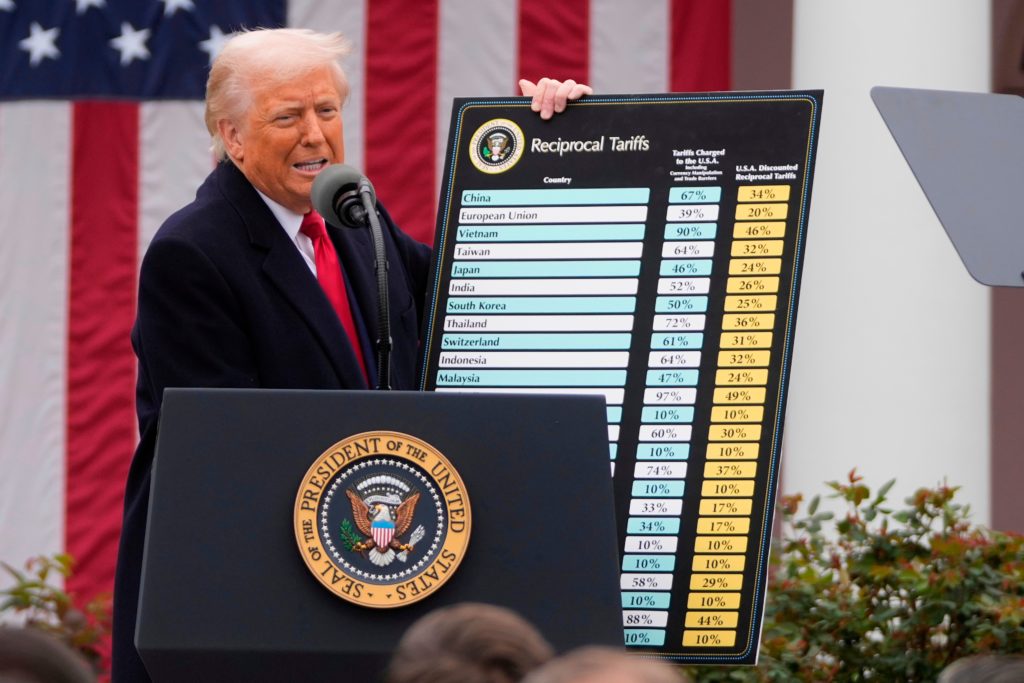
President Trump announced on Monday the imposition of 50% tariffs on Canadian goods, citing ongoing disputes concerning automobiles, alcohol, and cheese. This decision carries the potential to trigger significant economic disruption. The risks include escalating inflation and a further deterioration of the relationship between the United States and Canada. These two nations have historically maintained close ties, a relationship that has faced strain since President Trump's return to office. The specific Canadian goods targeted by these new tariffs were not detailed in the announcement, but the sectors mentioned suggest a broad impact across various industries.
The imposition of substantial tariffs by the U.S. on Canadian goods, ostensibly over trade disputes in sectors like autos and agriculture, represents a significant shift in trade policy. Such measures, while intended to protect domestic industries or leverage concessions, often introduce market inefficiencies and can lead to retaliatory actions. From a systemic perspective, this approach can disrupt established supply chains, increase costs for consumers and businesses, and potentially weaken diplomatic ties. Evaluating the long-term economic implications requires considering the interconnectedness of the two economies and the potential for broader geopolitical realignments in response to protectionist policies. The administration's strategy appears to prioritize bilateral leverage over multilateral trade frameworks, a dynamic that may shape international trade relations in the coming decade.
AI-generated to prompt reflection — not editorial opinion, not advice, not a statement of fact. How this works.