Trump Imposes 50% Tariffs on Canadian Goods, Sparking Trade War Fears
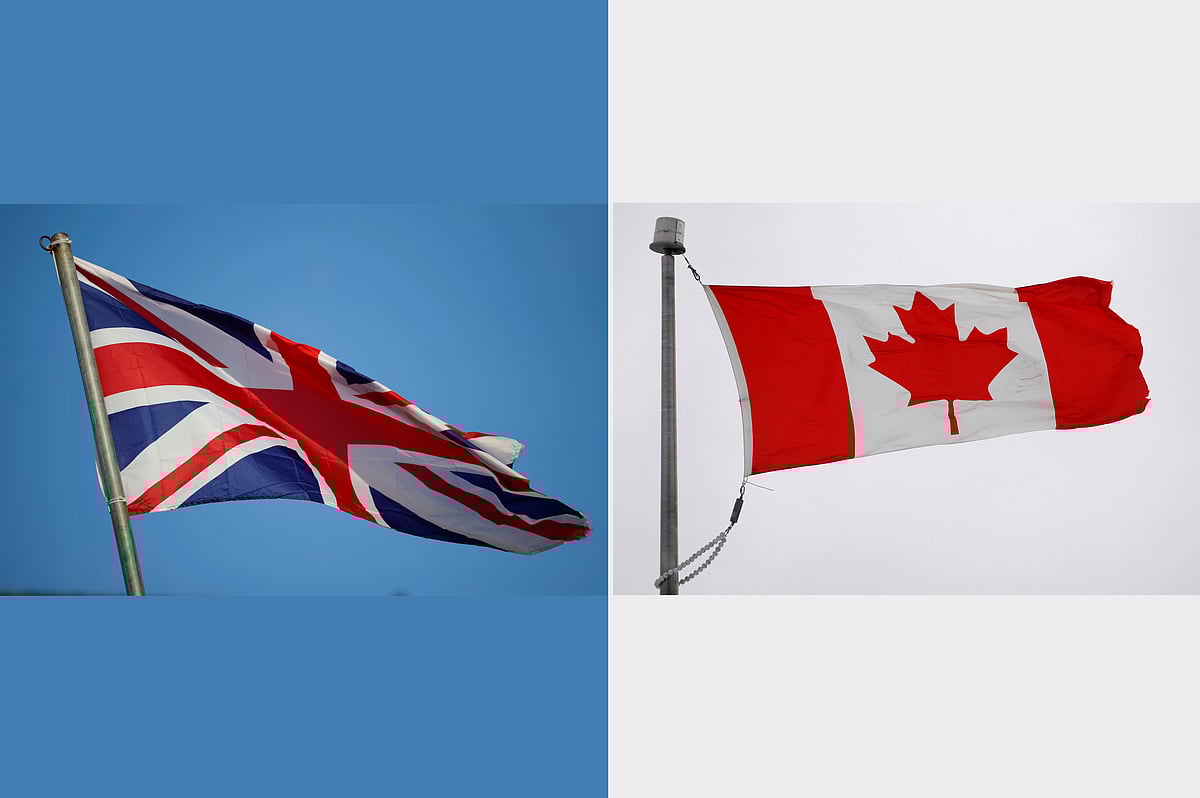
U.S. President Donald Trump has imposed a 50% tariff on various Canadian products, escalating trade tensions between the two nations. This significant tariff increase marks a new phase in the trade relationship, raising concerns about a potential trade war. The specific Canadian goods targeted by this new tariff have not been detailed in the provided information. However, the substantial nature of the tariff suggests a broad impact on bilateral trade flows. This move by the Trump administration is likely to provoke retaliatory measures from Canada, further complicating the economic landscape for both countries. The implications for businesses and consumers on both sides of the border are significant, potentially leading to higher prices and reduced trade volumes. The situation highlights the volatile nature of international trade policy under the current U.S. administration. It remains to be seen how Canada will respond and whether diplomatic channels can de-escalate the situation before it escalates into a full-blown trade conflict. The economic consequences could extend beyond North America, affecting global supply chains and market stability.
The imposition of substantial tariffs by the U.S. on Canadian goods signals a potential shift towards protectionist trade policies. Such measures, while intended to benefit domestic industries, often trigger reciprocal actions from trading partners, leading to escalating trade disputes. This dynamic can disrupt established supply chains, increase costs for businesses and consumers, and create broader economic uncertainty. From a long-term perspective, frequent tariff impositions can hinder global economic integration and cooperation, potentially slowing innovation and growth. The U.S. administration's approach may reflect a strategy to renegotiate trade terms, but the risk of unintended consequences, including damage to allied economic relationships, is considerable. Future trade relations will likely be shaped by the ability of nations to balance national economic interests with the benefits of open international commerce.
AI-generated to prompt reflection — not editorial opinion, not advice, not a statement of fact. How this works.