Trump Imposes 50% Tariffs on Canadian Wine and Cement
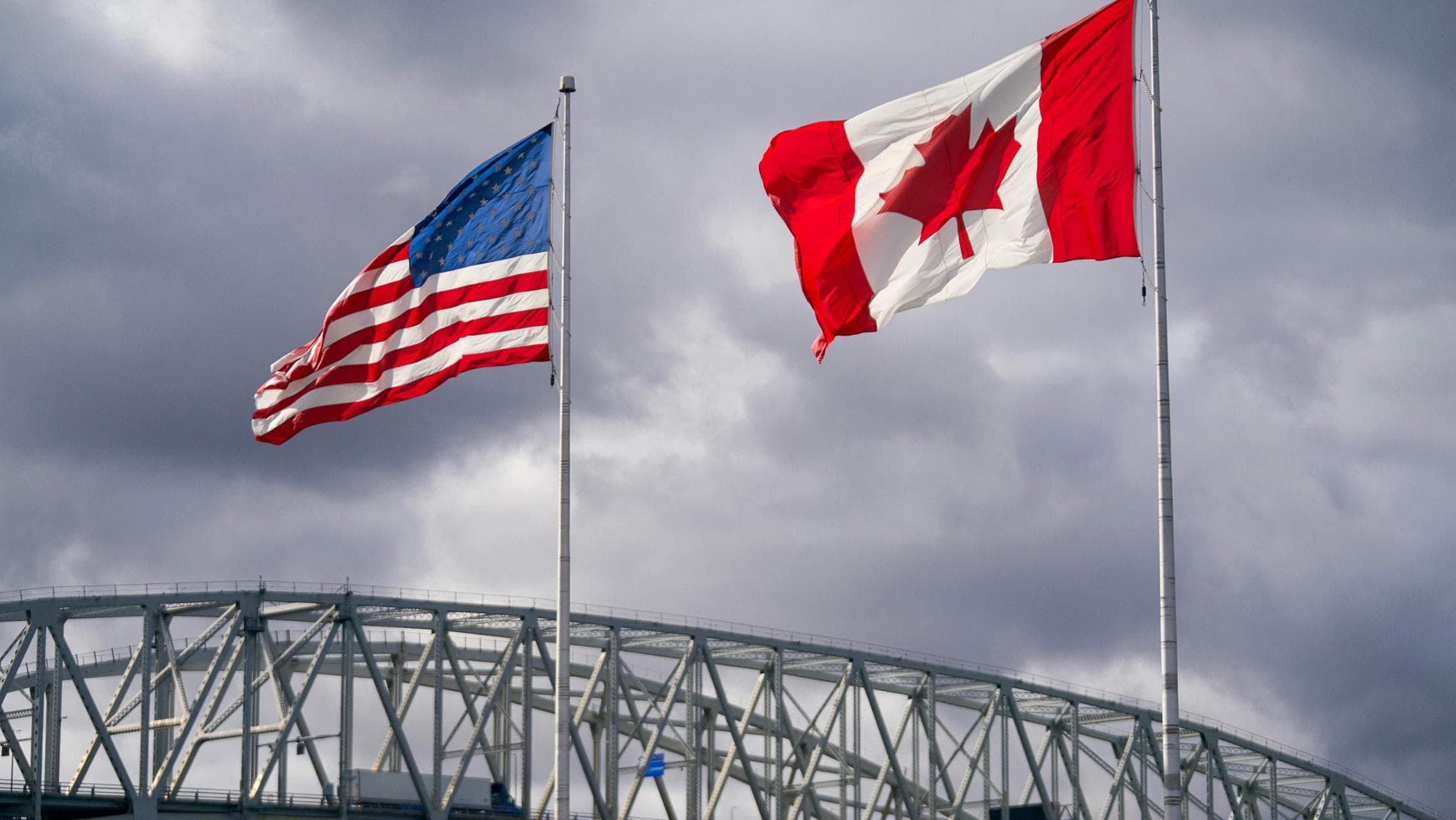
Former U.S. President Donald Trump has announced new tariffs targeting Canadian imports, specifically imposing a 50% tariff on wine and cement. This move follows accusations from the U.S. that Canada has engaged in discriminatory practices against American exports. The announcement has raised concerns about trade relations between the two neighboring countries. In response to the proposed tariffs, Bank of Canada Governor Stephen Poloz stated that Canada is prepared to discuss the matter. This indicates a willingness from the Canadian side to engage in dialogue to resolve the trade dispute. The specific details of the alleged discriminatory practices by Canada have not been fully elaborated upon in the initial reports. However, the imposition of such significant tariffs suggests a serious escalation in trade tensions. The economic impact on both Canadian producers and American consumers is yet to be fully assessed. This development could potentially disrupt established supply chains and affect industries reliant on these imports and exports. The situation highlights the ongoing complexities and potential volatility in international trade relations under shifting political landscapes.
The imposition of significant tariffs by a former U.S. president on key Canadian imports, such as wine and cement, signals a potential resurgence of protectionist trade policies. This action, framed as a response to alleged discriminatory practices, could be interpreted as leveraging trade as a geopolitical tool. The Canadian central bank governor's readiness to discuss suggests a pragmatic approach to de-escalation, prioritizing dialogue over immediate retaliation. Such measures, if implemented broadly, could disrupt established North American economic integration and create uncertainty for businesses and consumers. Looking ahead, the interplay between nationalistic trade stances and global supply chain dependencies will likely define future economic policy, potentially forcing a re-evaluation of bilateral trade agreements and dispute resolution mechanisms.
AI-generated to prompt reflection — not editorial opinion, not advice, not a statement of fact. How this works.