Trump Imposes New Tariffs of Up to 12.5% on Imports from 60 Countries
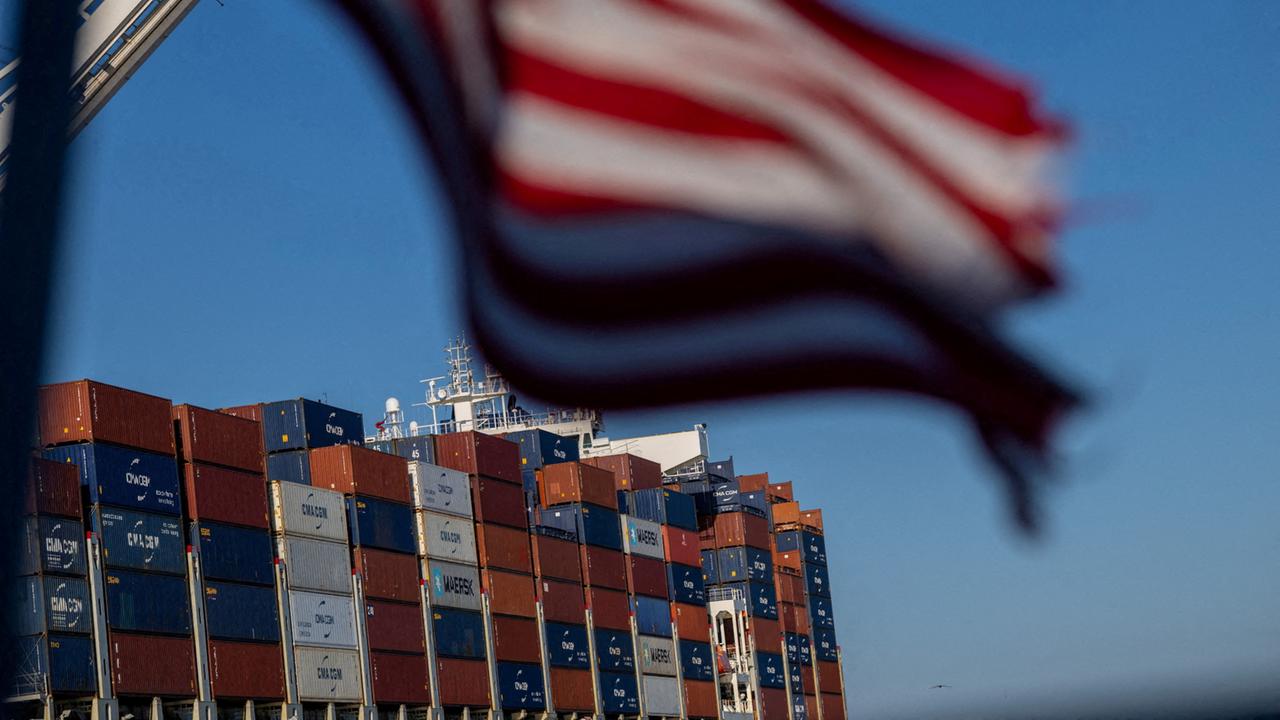
U.S. President Donald Trump has introduced new tariffs, reaching up to 12.5 percent, on imports originating from 60 different countries. These measures come as existing tariffs are set to expire, with the new ones already prepared. The specific justifications and implications of these trade actions are detailed. The move signifies an ongoing trend of the U.S. administration utilizing trade policy as a tool to reshape international economic relationships. The scope of the tariffs indicates a broad application across numerous global trading partners. Further information is provided regarding the basis for these decisions and their expected impact on trade flows and economies involved. The administration's approach suggests a strategic effort to address perceived imbalances or unfair practices in international trade.
The imposition of broad tariffs by the U.S. administration reflects a strategic approach to international trade, potentially aimed at recalibrating global supply chains and addressing perceived trade deficits. Such measures can incentivize domestic production and renegotiation of trade agreements, but also risk retaliatory actions from affected countries, potentially leading to increased consumer costs and reduced global trade volumes. In the context of evolving global economic dynamics and the rise of digital trade, these protectionist policies may face challenges in achieving long-term objectives, as they can disrupt established market efficiencies and foster geopolitical friction. The effectiveness of these tariffs will likely depend on their duration, the specific sectors targeted, and the broader geopolitical and economic responses they elicit over the next decade.
AI-generated to prompt reflection — not editorial opinion, not advice, not a statement of fact. How this works.