Trump Imposes New Tariffs on Australian Exports
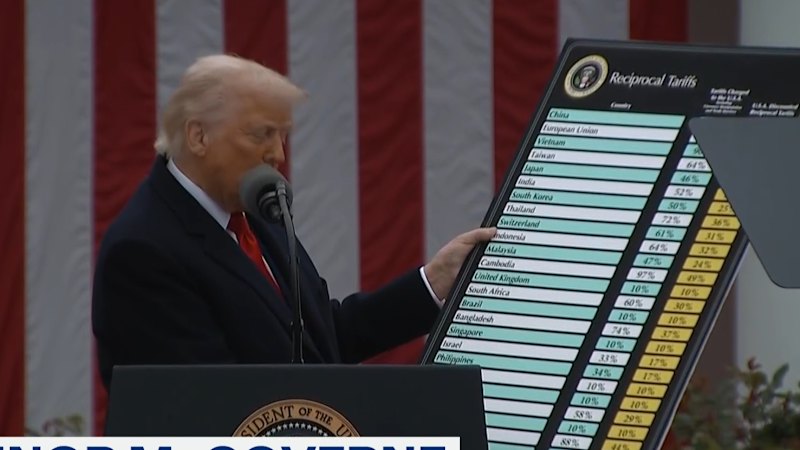
U.S. President Donald Trump has imposed new tariffs on Australian exports, grouping Australia with Russia and China. The tariffs are reportedly a consequence of Australia not doing enough to combat modern slavery. This move signifies a broad application of trade policy by the Trump administration, extending beyond traditional trade disputes to encompass social and ethical concerns. The specific details of the modern slavery initiatives Australia is expected to implement, and the precise impact of these tariffs on Australian industries, remain to be seen. However, the inclusion of Australia alongside major economic powers like China and Russia suggests a significant shift in U.S. trade relations and a potential precedent for future trade actions based on a wider range of criteria.
The U.S. administration's decision to impose tariffs on Australian exports, citing insufficient action against modern slavery, represents a novel application of trade policy. This approach links international trade obligations with domestic ethical standards, potentially creating new leverage points for the U.S. in global diplomacy. Such a strategy could incentivize other nations to enhance their efforts in combating modern slavery to avoid economic repercussions. However, it also raises questions about the consistency and fairness of applying such measures, particularly when compared to existing trade agreements and the specific economic impacts on allied nations versus geopolitical rivals. The long-term implications may involve a recalibration of international trade norms, where ethical considerations become more directly integrated into economic sanctions and agreements.
AI-generated to prompt reflection — not editorial opinion, not advice, not a statement of fact. How this works.