Trump Issues Threat to Iran Following Calls for His Killing at Khamenei's Funeral
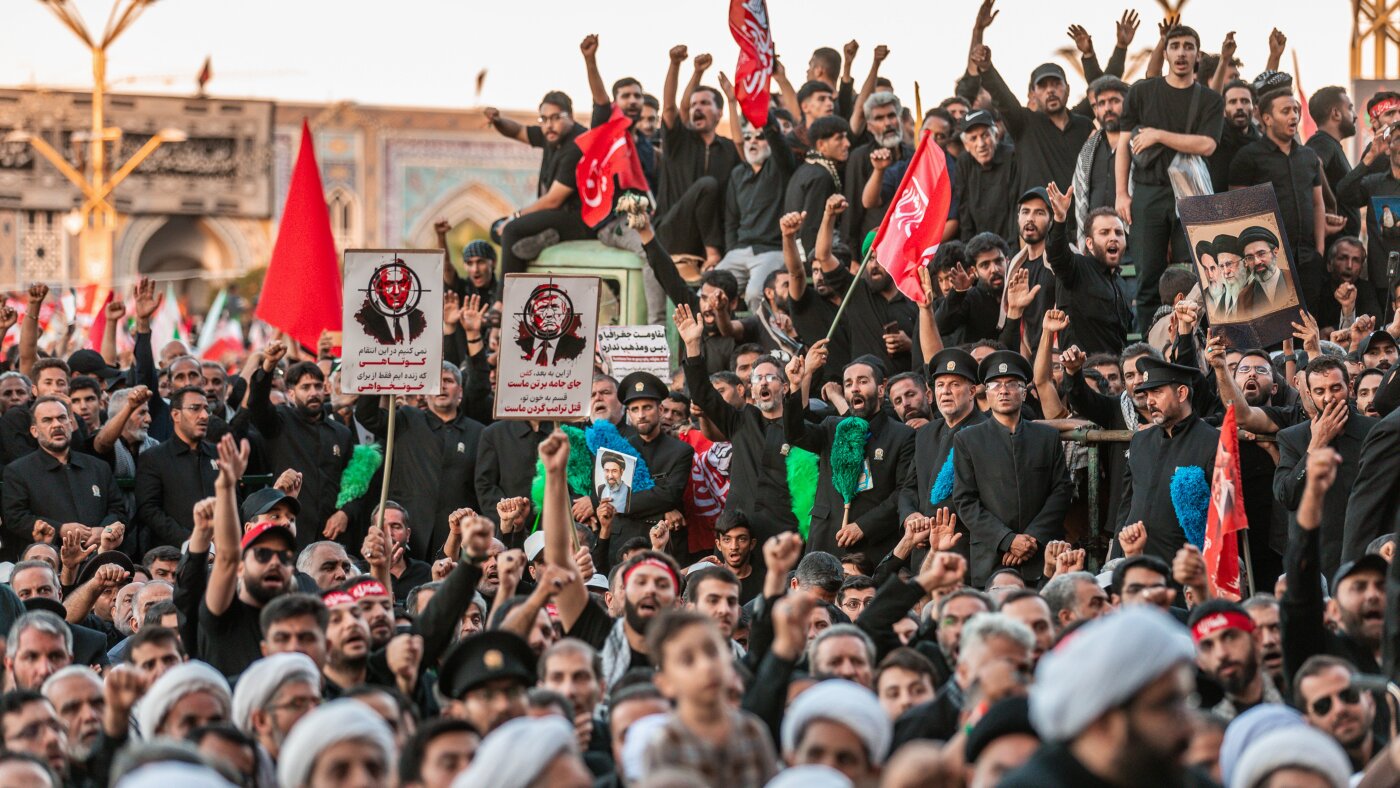
Following calls for his assassination during Ayatollah Ali Khamenei's funeral, former U.S. President Donald Trump issued a threat against Iran. Trump conveyed his remarks through his social media platform, Truth Social. The statement came in the context of ongoing tensions between the United States and Iran. Specifically, U.S. officials had recently demanded that Iran issue a public statement affirming the continued openness of the Strait of Hormuz. The Strait of Hormuz is a critical chokepoint for global oil transport, and its accessibility is a significant geopolitical concern. The funeral procession for Ayatollah Ali Khamenei, the Supreme Leader of Iran, reportedly included chants and calls for Trump's death. This event appears to have directly prompted Trump's retaliatory threat. The situation highlights the volatile relationship and the high stakes involved in regional security and international maritime traffic.
The exchange between former President Trump and Iranian officials underscores the persistent geopolitical friction surrounding the Strait of Hormuz and broader regional stability. Threats and counter-threats, amplified through social media, can escalate tensions and potentially impact international maritime commerce and energy markets. From a systemic perspective, such rhetoric highlights the challenges in de-escalating conflicts when communication channels are primarily adversarial. Future diplomatic frameworks may need to incorporate more robust mechanisms for managing inflammatory public statements and ensuring the unimpeded flow of essential global trade routes, particularly in strategic waterways like the Strait of Hormuz. The interplay between domestic political messaging and international relations remains a critical factor in navigating these complex geopolitical landscapes.
AI-generated to prompt reflection — not editorial opinion, not advice, not a statement of fact. How this works.