Trump Lets Bipartisan Housing Bill Become Law Amidst Protest
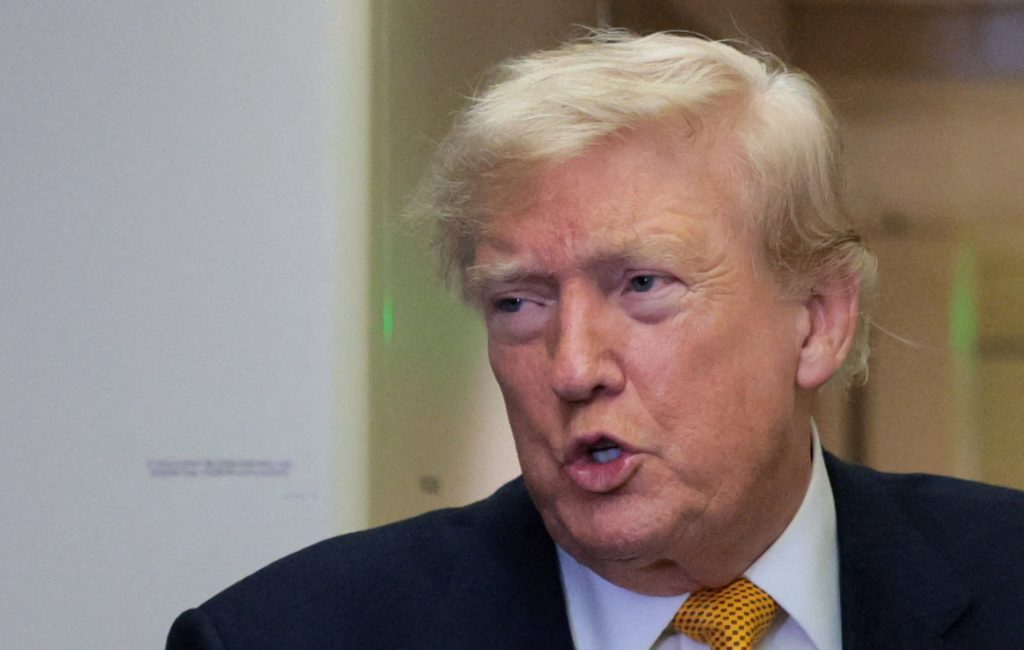
Former President Donald Trump has allowed a bipartisan housing bill to become law without his signature. He had a 10-day window to act on the legislation before a Friday deadline. Trump chose not to sign the bill, issue a veto, or actively endorse it. This decision is reportedly a protest against a Republican-backed voter ID law. The housing bill, supported by members of both parties, will now proceed without his direct approval. Trump's action highlights a strategic move to leverage legislative processes for political messaging.
This event illustrates a common political tactic where a party leader uses a legislative opportunity to signal opposition to unrelated policy initiatives. By allowing the bill to pass without signing, Trump avoids direct endorsement while still enabling a bipartisan measure, thus maintaining some flexibility. This approach allows him to register dissent on the voter ID law without alienating potential supporters of the housing bill. Such actions can shape future legislative negotiations by demonstrating a willingness to employ indirect pressure tactics, influencing how other political actors approach compromise and policy alignment in the future.
AI-generated to prompt reflection — not editorial opinion, not advice, not a statement of fact. How this works.