Trump-linked Albania resort project accused of 'irreparable' environmental damage
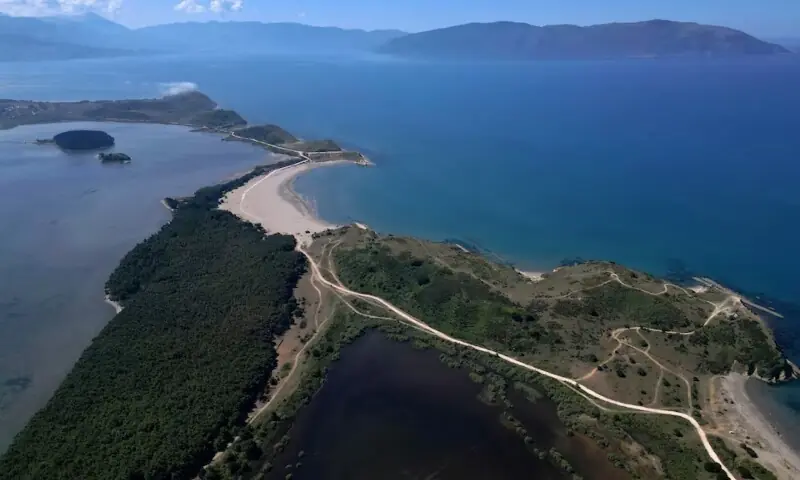
Preliminary work on a large hotel project connected to the Trump family in Albania has allegedly caused significant and irreparable harm to a sensitive coastal area. Activists and scientists report that during a 25-day period in May, preparatory activities included clearing a road, deforestation, and constructing a bridge. These actions have reportedly damaged nesting sites for loggerhead turtles, a species threatened with extinction, and disturbed the habitats of numerous bird species through dune access roads and tree felling. The construction of a channel connecting a lagoon to the sea has also disrupted vital water flows for wetlands. Olsi Nika, head of the NGO EcoAlbania, described the situation as an "absolute biodiversity massacre." Despite daily protests and the suspension of some work, experts like Ferdinand Bego from the University of Tirana believe the damage to the heritage site is largely irreversible, occurring even before major construction begins. The project, initially proposed in 2024 by Jared Kushner, Donald Trump's son-in-law, involves building luxury hotels near flamingo colonies and on a protected island. Prime Minister Edi Rama defends the development as "Europe’s finest project," anticipating it will boost Albania's economy by attracting investment and creating jobs. However, a scientific assessment in mid-June confirmed damage to turtle nesting sites, bird habitats, and dunes. Environmental concerns have gained international attention, with support from figures like Dua Lipa and criticism from the European Union regarding Albania's environmental obligations.
The reported environmental damage preceding major construction of a luxury resort project linked to the Trump family raises critical questions about the balance between economic development and ecological preservation. The incident highlights a potential systemic issue where the allure of foreign investment and promised job creation may incentivize governments to overlook or expedite environmental impact assessments. This dynamic can lead to irreversible ecological harm, particularly in ecologically sensitive areas, even before the primary economic benefits materialize. The involvement of high-profile figures associated with a former US president amplifies scrutiny on governance and regulatory oversight, suggesting that robust, independent environmental protection mechanisms are crucial to prevent such outcomes. Future large-scale tourism developments will need to navigate increasingly complex stakeholder expectations, including environmental activism and international regulatory standards, to ensure sustainable growth.
AI-generated to prompt reflection — not editorial opinion, not advice, not a statement of fact. How this works.