Trump Links Saudi Nuclear Deal to Abraham Accords, Warns on Uranium Enrichment
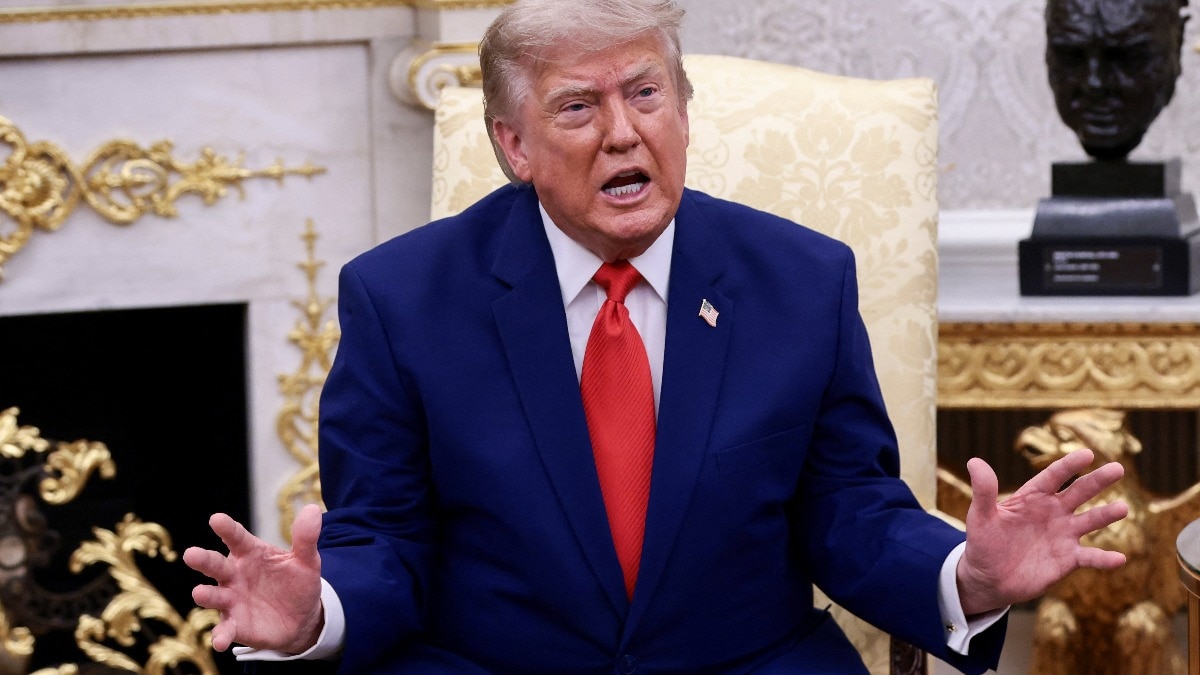
U.S. President Donald Trump has issued a warning regarding a potential civil nuclear deal with Saudi Arabia, stating that the agreement will not permit uranium enrichment. Approval for this deal is contingent upon Saudi Arabia joining the Abraham Accords. Trump also issued a warning to Houthi rebels concerning attacks on Saudi oil tankers. The specific details of the nuclear deal and the exact nature of the conditions for uranium enrichment were not elaborated upon in the provided text. The statement implies a linkage between energy cooperation and regional normalization efforts, particularly concerning Israel. The U.S. administration under Trump has actively promoted the Abraham Accords, which established diplomatic relations between Israel and several Arab nations. This condition suggests a broader geopolitical strategy involving Saudi Arabia's integration into a U.S.-backed regional framework. The warning to the Houthis indicates ongoing U.S. concern over regional security and the impact of proxy conflicts on critical infrastructure.
The U.S. administration's strategy appears to leverage potential nuclear cooperation as a geopolitical bargaining chip, linking it to the broader normalization agenda of the Abraham Accords. This approach highlights a systemic incentive for regional actors to align with U.S. foreign policy objectives in exchange for technological or economic benefits. The conditionality raises questions about the long-term sustainability of such agreements, as they are tied to shifting political landscapes rather than purely technical or economic merits. Furthermore, the dual focus on nuclear non-proliferation and regional security, including the confrontation with Houthi rebels, underscores the complex interplay of energy, security, and diplomacy in the Middle East. This strategy could foster deeper regional integration under U.S. influence but also risks exacerbating existing tensions if not managed carefully, potentially creating new dependencies and vulnerabilities in the coming decade.
AI-generated to prompt reflection — not editorial opinion, not advice, not a statement of fact. How this works.