Trump May Ask South Korea to Build US Warships
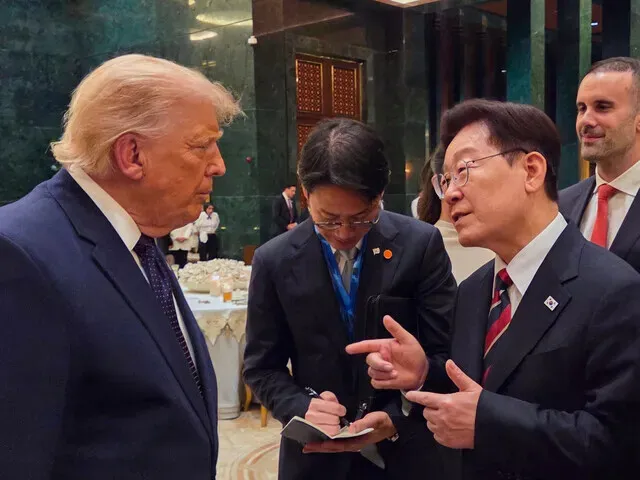
Donald Trump, during his potential return to the US presidency, might request South Korea to undertake the construction of American warships. This proposal could be part of a broader strategy to leverage allied nations for defense production and potentially reduce costs for the United States. The idea suggests a shift in how military hardware is sourced, potentially involving significant industrial collaboration between the two nations.
Such a move would have substantial implications for South Korea's defense industry, potentially boosting its capabilities and export potential. It could also raise questions about international trade practices and the division of labor in global defense manufacturing. The specifics of any such request, including the types of warships, scale of production, and financial arrangements, remain to be seen. However, the prospect highlights a potential reevaluation of defense supply chains and international partnerships under a future Trump administration.
The potential proposal for South Korea to build US warships reflects a transactional approach to international alliances, prioritizing perceived cost efficiencies and burden-sharing. This strategy could reshape global defense manufacturing supply chains, potentially creating new industrial hubs while also raising questions about intellectual property, technological transfer, and the long-term strategic independence of allied nations. From a systems perspective, such a move might incentivize greater domestic defense industrial capacity in partner countries but could also introduce vulnerabilities if geopolitical alignments shift or if production quality is compromised under pressure for speed and cost reduction. The long-term impact hinges on the balance between immediate economic benefits and the strategic implications for both national security and international cooperation in the evolving geopolitical landscape of the next decade.
AI-generated to prompt reflection — not editorial opinion, not advice, not a statement of fact. How this works.