Trump Meets Zelensky and Netanyahu Amidst Ukraine and Iran Conflicts
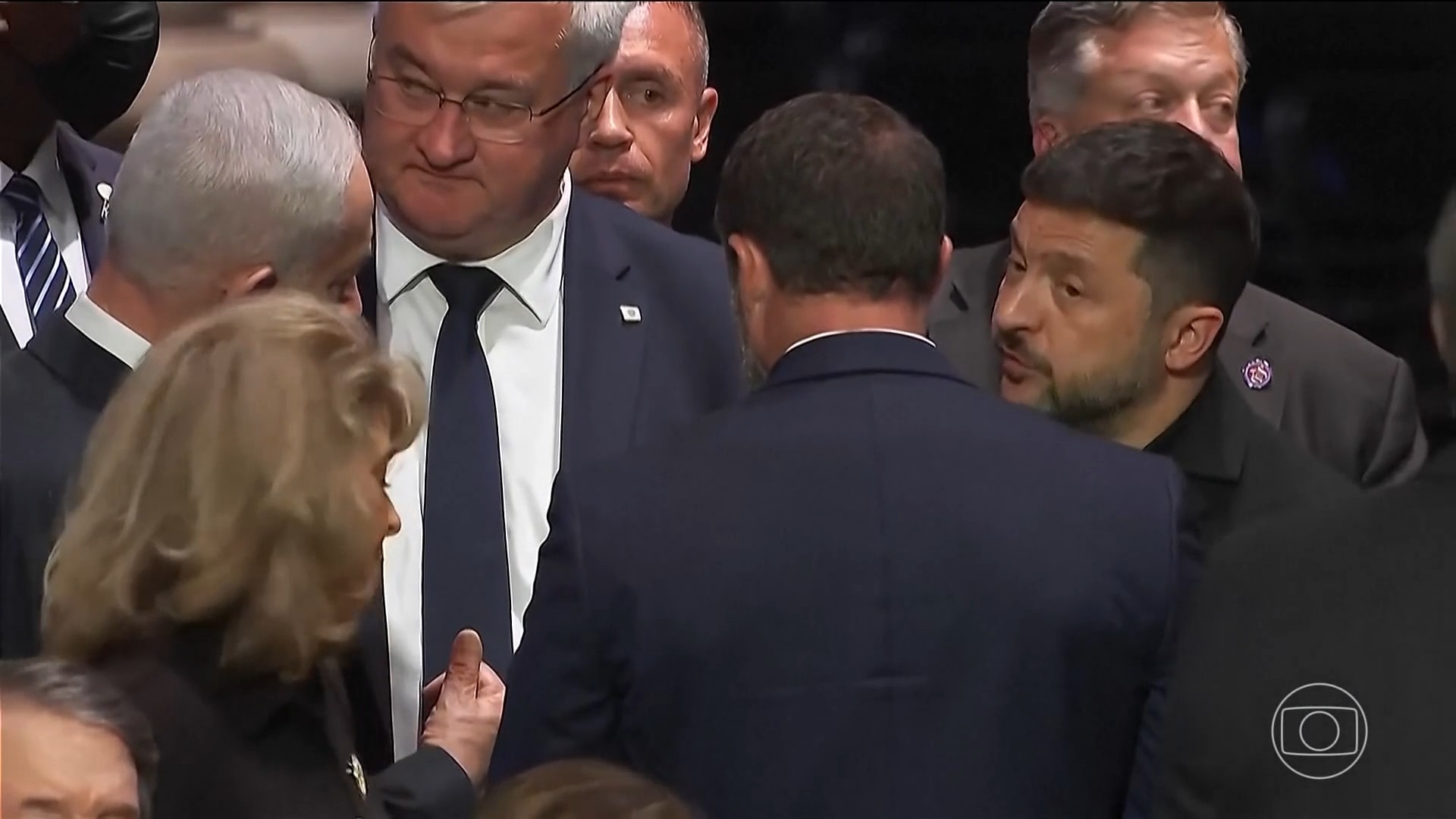
U.S. President Donald Trump hosted Ukrainian President Volodimir Zelensky and Israeli Prime Minister Benjamin Netanyahu at the White House on Tuesday, October 28th. The meetings occurred amidst ongoing conflicts in Ukraine and Iran, with discussions reportedly focusing on arms for Ukraine and the war involving Iran. Both Zelensky and Netanyahu were in Washington for the funeral of Republican Senator Lindsey Graham, who had supported both nations and influenced Trump's stance on the Iran conflict. Zelensky stated that he and Trump discussed granting Ukraine a license to produce American Patriot air defense missiles, noting that global stocks are dwindling due to usage by Ukraine against Russia and Gulf states against Iran. International press sources indicated that Trump's special envoy for the wars and his son-in-law agreed to visit Kyiv to promote peace negotiations. The war in Ukraine has surpassed four years, while the conflict involving Iran, initiated by Trump alongside Israel, has reached five months. This meeting marked Trump's first with Netanyahu since the conflict began, following Trump's prior admission of differences with the Israeli leader and criticism of Netanyahu regarding discussions about strikes on Iranian nuclear facilities. An Israeli government spokesperson denied that nuclear sites were discussed. Netanyahu described the meeting as excellent and focused on mutual support, while the White House characterized the hour-long sessions as positive and productive, though no official agreements were announced. Trump had previously expressed irritation with Netanyahu and had also extended sanctions against Brazil for one year, alleging economic interference.
The White House meetings between President Trump, President Zelensky, and Prime Minister Netanyahu highlight the complex geopolitical landscape surrounding the Ukraine and Iran conflicts. The discussions around Patriot missile production and global stock depletion underscore the strategic importance of military aid and its impact on international supply chains. The simultaneous engagement with leaders from nations involved in protracted conflicts, coupled with Senator Graham's influence, suggests a multi-pronged diplomatic approach. However, the lack of official announcements following the meetings indicates that significant breakthroughs may not have been achieved, or that sensitive negotiations are being kept confidential. The differing perspectives on engaging with Iran, as evidenced by Trump's public criticism of Netanyahu, point to potential strategic divergences that could affect future policy coordination. The administration's focus on ending the Ukraine war and managing the Iran conflict reflects its broader foreign policy objectives, though the long durations of both wars suggest persistent challenges in achieving desired outcomes.
AI-generated to prompt reflection — not editorial opinion, not advice, not a statement of fact. How this works.