Trump Mocks Italian PM Meloni Again Ahead of NATO Summit
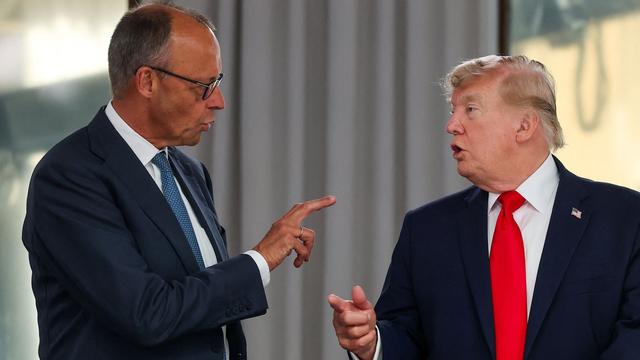
Former US President Donald Trump has once again publicly criticized Italian Prime Minister Giorgia Meloni. This latest jab comes just ahead of a significant NATO summit, raising questions about potential US-European relations under a future Trump administration. Trump's remarks, made in a public forum, targeted Meloni's leadership and her alignment with NATO policies. This is not the first time Trump has expressed dissatisfaction with Meloni, having previously made critical comments about her political stance and Italy's role within the alliance. The timing of these statements, so close to a crucial international meeting, suggests a deliberate effort to influence perceptions or signal his own foreign policy priorities. Meloni, who has sought to strengthen Italy's position within NATO and the EU, faces domestic and international pressure. The recurring criticism from a prominent American political figure highlights potential friction points in transatlantic relations, particularly concerning burden-sharing and strategic direction within the alliance. Observers are watching closely to see how these public exchanges might impact diplomatic efforts and the unity of NATO.
Donald Trump's repeated public criticism of Italian Prime Minister Giorgia Meloni, particularly preceding a NATO summit, signals a potential recalibration of US foreign policy priorities and alliance dynamics. This approach may reflect a transactional view of international relations, where adherence to specific US-led directives is prioritized over established multilateral consensus. The incentive structure for leaders engaging with Trump often involves demonstrating loyalty or alignment with his specific policy preferences, potentially creating friction within alliances that rely on collective decision-making and mutual respect. Looking ahead, such public critiques could strain diplomatic ties and introduce instability into alliances like NATO, which are designed to foster cooperation and shared security. The long-term implications may involve a re-evaluation of alliance commitments and a push for greater strategic autonomy among member states seeking to navigate unpredictable geopolitical shifts.
AI-generated to prompt reflection — not editorial opinion, not advice, not a statement of fact. How this works.