Trump-Netanyahu Meeting Sparks 'America First' Fears of Deeper US Involvement in Iran Conflict
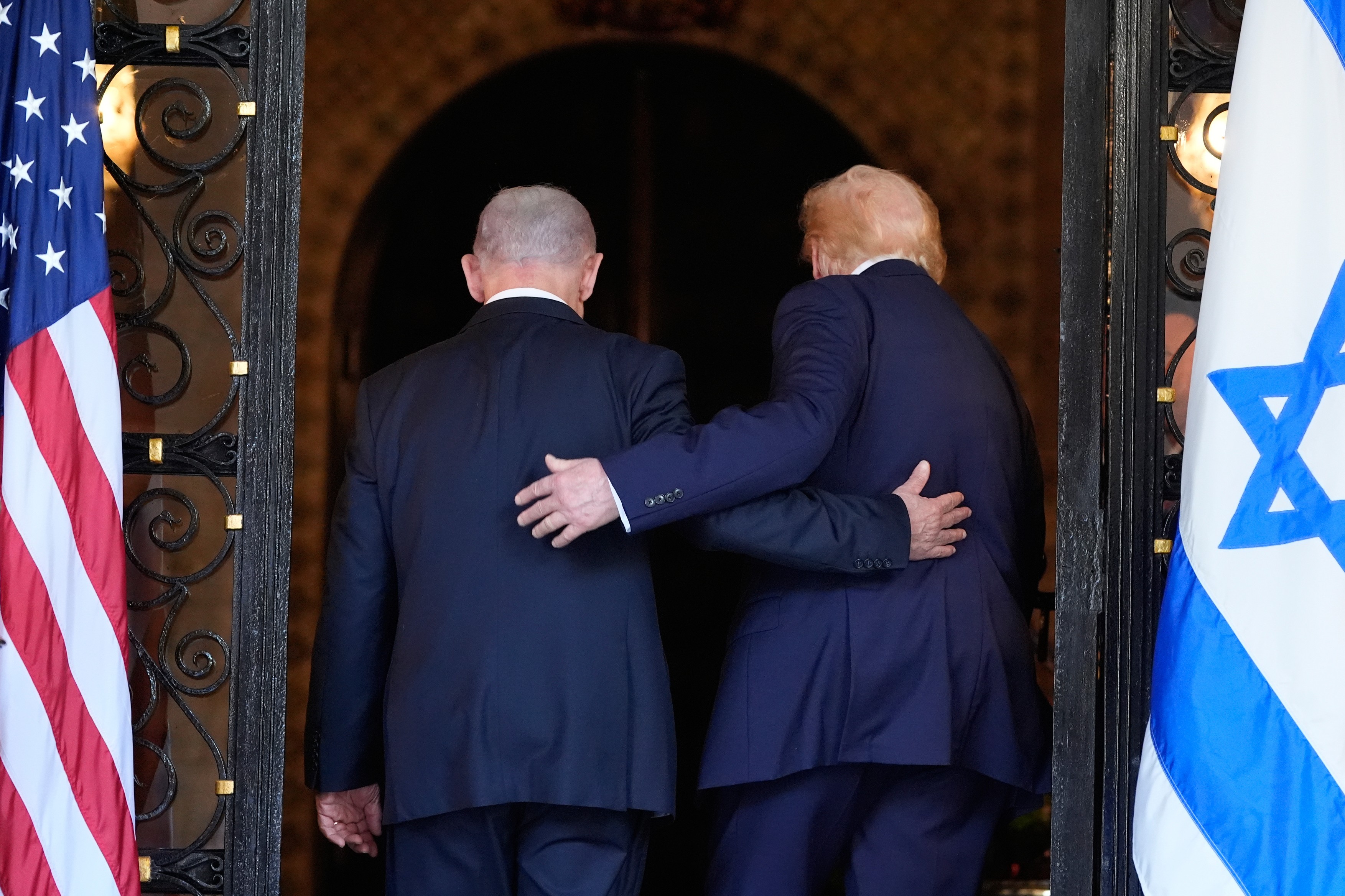
A meeting between former US President Donald Trump and Israeli Prime Minister Benjamin Netanyahu has raised concerns within the "America First" camp. Allies of Trump are worried that this engagement could lead to greater US involvement in the conflict with Iran. Steve Bannon, a former White House chief strategist, described the Israeli Prime Minister's visits to Washington as a "disaster" for the "America First" agenda. This doctrine, heavily promoted by Donald Trump, prioritizes US interests in all foreign policy, economic, and security decisions. The concerns highlight a potential tension between Trump's nationalist foreign policy stance and the implications of engaging with Middle Eastern geopolitical dynamics. The "America First" philosophy advocates for reduced international commitments and a focus on domestic issues. However, interactions with leaders like Netanyahu could inadvertently draw the US deeper into regional disputes, contradicting the core tenets of the movement. This situation underscores the complexities of balancing national interests with international relations, particularly in volatile geopolitical regions.
The interaction between Donald Trump and Benjamin Netanyahu highlights a recurring tension within nationalist foreign policy frameworks. The "America First" doctrine, emphasizing non-intervention and prioritizing domestic concerns, faces a challenge when engaging with complex international conflicts. The perceived risk of deeper US involvement in the Iran conflict, stemming from such high-level meetings, suggests that geopolitical realities can exert pressure on isolationist policy preferences. This dynamic raises questions about the practical application of prioritizing national interests while navigating global security challenges. Future foreign policy approaches may need to reconcile the desire for strategic distance with the inevitability of global interconnectedness and regional instability, particularly in areas with significant geopolitical implications.
AI-generated to prompt reflection — not editorial opinion, not advice, not a statement of fact. How this works.