Trump Notifies Congress of Resumed Hostilities Against Iran
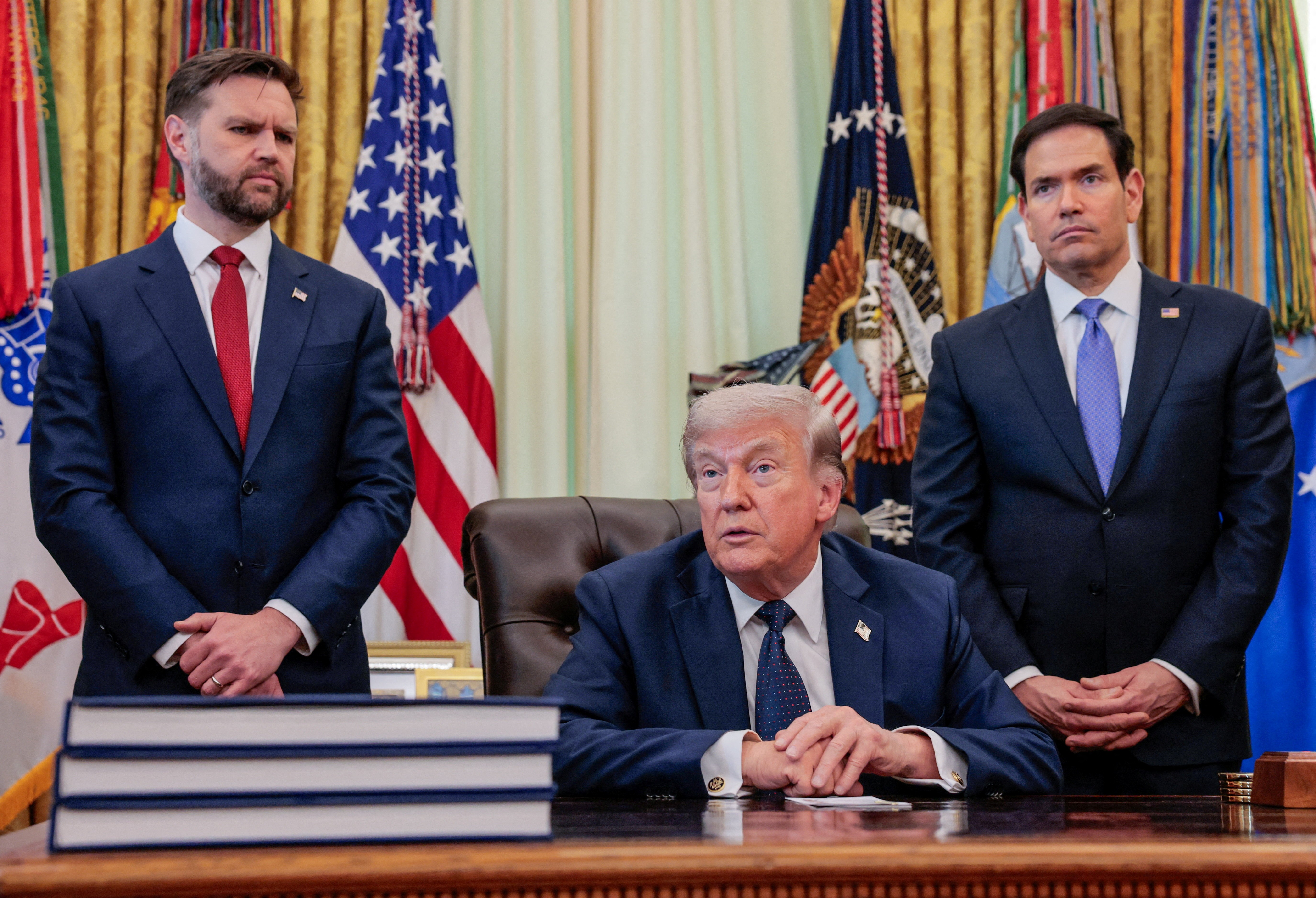
U.S. President Donald Trump has formally notified Congress that hostilities against Iran resumed on July 7. This notification is viewed by his administration as the start of a new 60-day period for military actions in the region without explicit congressional approval, a mechanism often employed by presidents to bypass formal war declarations. Trump stated in a July 10 letter that the military action was ordered to protect Americans, national security, and U.S. foreign policy interests. The letter references a two-week ceasefire initiated on April 7, which was extended, and ongoing diplomatic efforts. U.S. military actions against Iran, in conjunction with Israel, began on February 28. Trump cited Iran's violation of a memorandum of understanding signed on June 17, specifically its attacks on commercial vessels in the Strait of Hormuz, as the reason for renewed strikes. He also announced the re-establishment of a U.S. blockade on Iranian shipping in the Persian Gulf and a commitment to keeping the Strait of Hormuz open. The U.S. Constitution grants Congress the sole power to declare war, but presidents have historically asserted authority for short-term military interventions. The War Powers Act requires presidents to inform Congress within 48 hours of hostilities and limits unapproved military actions to 60 days. The Trump administration claims this act does not apply, arguing that previous hostilities had ceased due to the ceasefire, despite ongoing attacks and port blockades. Critics, including congressional Democrats and some Republicans, contend the administration is misinterpreting the law, especially given the prolonged nature of the conflict. Both the Senate and the House of Representatives recently passed resolutions directing Trump to withdraw U.S. forces from hostilities with Iran, reflecting growing unease with the months-long conflict. Trump criticized lawmakers who supported these resolutions, accusing them of aiding Iran.
The notification to Congress regarding resumed hostilities with Iran highlights the ongoing tension between executive war-making powers and legislative oversight, as defined by the U.S. Constitution and the War Powers Act. The administration's interpretation of the 60-day limit and the applicability of the Act, particularly in the context of a prolonged, undeclared conflict, raises questions about the balance of power in foreign policy. This dynamic underscores a systemic challenge in contemporary governance, where rapid geopolitical events and evolving military technologies can strain traditional legal frameworks. The congressional resolutions, despite bipartisan opposition to the conflict, demonstrate a growing public and political concern over extended military engagements without clear objectives or public consensus. Looking ahead, the increasing reliance on such notifications and the potential for prolonged military actions without explicit congressional authorization could set precedents that further shift the balance of power, impacting future U.S. foreign policy and its role in international conflicts.
AI-generated to prompt reflection — not editorial opinion, not advice, not a statement of fact. How this works.