Trump Orders Declassification of Data on US Voting System Vulnerabilities
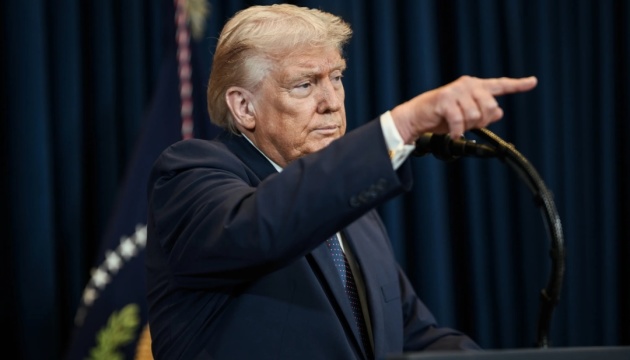
Former President Donald Trump announced that his administration would declassify information pertaining to what he described as "shocking vulnerabilities" within the United States' voting systems. This move also involves the disclosure of data concerning large-scale leaks of personal information belonging to tens of millions of American voters. The specific details of the vulnerabilities and the extent of the data leaks are expected to be revealed through this declassification process. Trump's statement suggests a significant concern regarding the security and integrity of the electoral process and the protection of voter data. The decision to declassify these findings indicates a potential effort to address perceived weaknesses and inform the public about the risks associated with the current voting infrastructure. The scope of the personal information leaked, affecting millions of voters, highlights a critical issue in data privacy within the context of elections.
The declassification of voting system vulnerabilities and data breach information by the Trump administration raises questions about the motivations behind its timing and selective release. Such disclosures could influence public perception of election integrity, potentially impacting future electoral outcomes and trust in democratic institutions. Examining the incentives for releasing this data, particularly in the context of ongoing political discourse, is crucial. Furthermore, understanding the systemic implications for election security and data privacy laws in the coming decade is essential, as advancements in technology may exacerbate existing vulnerabilities or create new ones. This event underscores the ongoing tension between transparency and national security, and the potential for information to be wielded as a political tool.
AI-generated to prompt reflection — not editorial opinion, not advice, not a statement of fact. How this works.