Trump Orders Defense Industry to Exclude Chinese and Other Foreign Goods
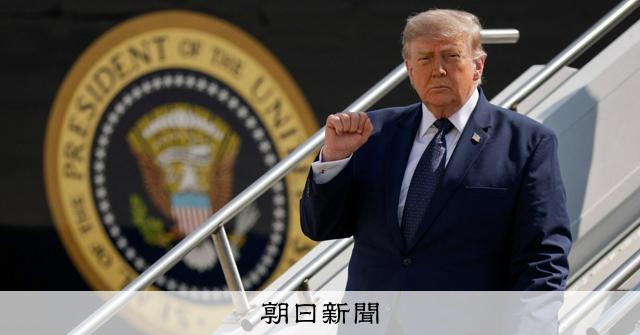
Former U.S. President Donald Trump has issued an executive order demanding that the defense industry eliminate goods originating from China and other foreign countries. The order, titled "Protecting America's Critical Supply Chains," aims to bolster domestic manufacturing and reduce reliance on overseas suppliers. Trump stated that this measure is crucial for national security and economic sovereignty. The directive specifically targets components and materials used in defense systems, urging companies to identify and phase out foreign-made parts. This move is expected to significantly impact defense contractors and their global supply networks. The administration's rationale emphasizes the need to safeguard sensitive technologies and prevent potential disruptions caused by geopolitical tensions or trade disputes. The executive order also calls for increased transparency in supply chain management within the defense sector. It is anticipated that this policy will encourage greater investment in U.S.-based manufacturing facilities and research and development. The long-term objective is to ensure that the United States maintains a robust and secure defense industrial base, independent of foreign influence.
This executive order reflects a strategic shift towards prioritizing domestic industrial capacity within critical sectors like defense. By mandating the exclusion of foreign-made goods, particularly from China, the policy aims to mitigate perceived national security risks associated with globalized supply chains. Such measures can foster domestic job creation and technological innovation, but they may also lead to increased production costs and potential retaliatory trade actions. The long-term effectiveness will depend on the defense industry's ability to adapt, the government's support for domestic R&D and manufacturing, and the broader geopolitical landscape. This approach highlights a tension between global economic integration and national security imperatives, a dynamic likely to shape industrial policy in the coming decade.
AI-generated to prompt reflection — not editorial opinion, not advice, not a statement of fact. How this works.