Trump Orders "Inaccurate Information" Signs at Smithsonian History Museum
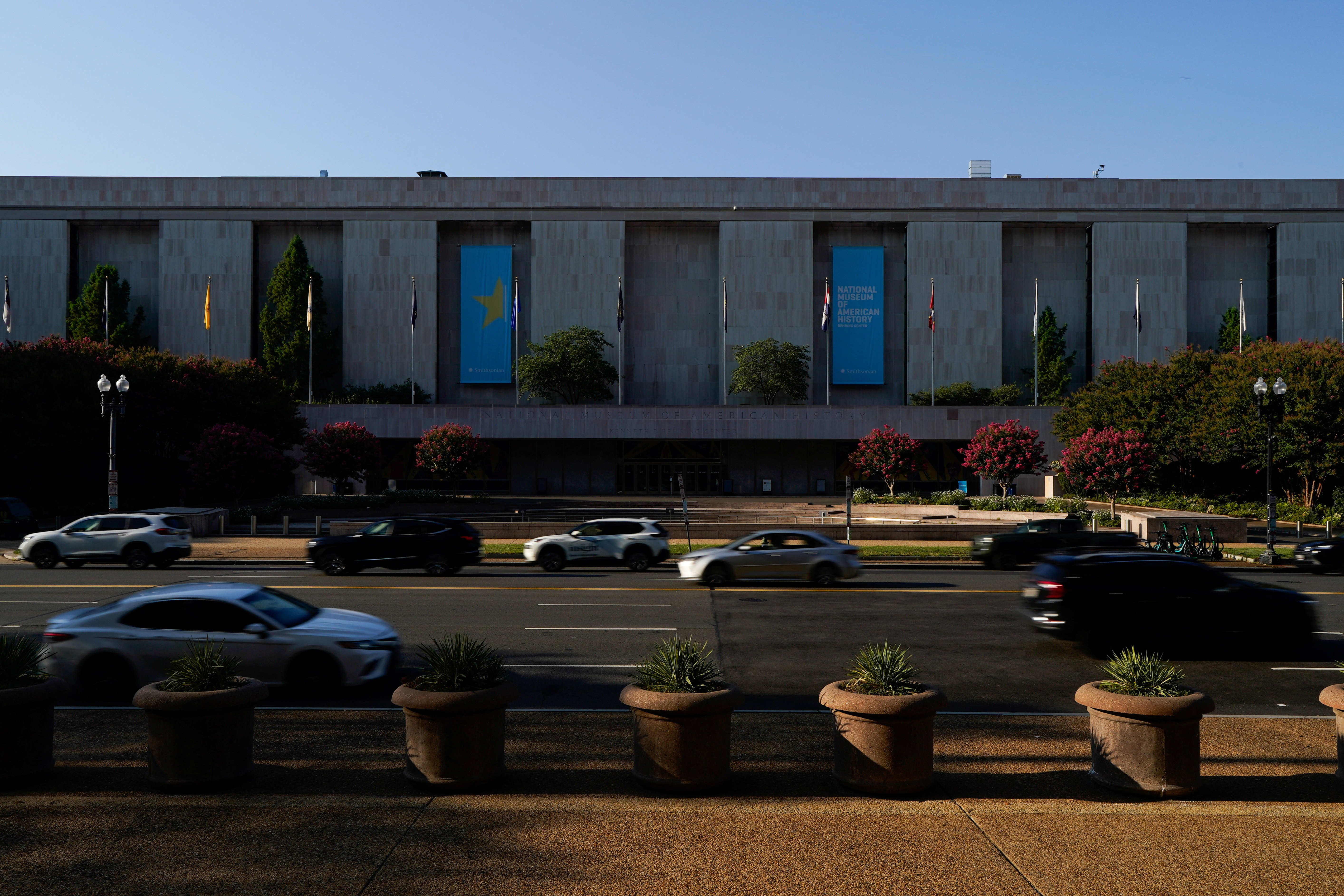
President Donald Trump has directed that signs be placed in front of the Smithsonian's National Museum of American History. These signs will inform visitors that certain exhibits contain "inaccurate information." This directive follows a July 4th report from Trump's own Domestic Policy Council, which criticized the Smithsonian's leadership for not presenting American history in an "inspiring, unifying, and worthy" manner. Since the President lacks the direct authority to dismiss Smithsonian leadership or alter exhibits, his executive order targets the public sidewalks managed by the National Park Service. The signed decree mandates signs that reference the White House report and direct visitors to resources with what Trump deems "accurate information about America's history." The order also calls for a temporary exhibition to "correct" what the President views as inaccuracies. Smithsonian representatives declined to comment on the order. Anthea M. Hartig, director of the National Museum of American History, had previously contested the White House report, stating to Congress that it did not fairly or accurately characterize the museum's work, while acknowledging room for improvement. The Smithsonian operates independently of the Executive Branch, with museum directors reporting to Secretary Lonnie Bunch, who is overseen by a Board of Regents. This action is part of a broader pattern of conservative pressure from Trump on cultural institutions, aiming to align their programming with his values. Previously, Trump sought to reshape the Kennedy Center's programming and supported reinstating historical markers in Philadelphia that critics claim downplay the history of slavery. Concerns have been raised by scholars and officials that this approach may lead to a historical narrative that minimizes national suffering in favor of a more triumphalist perspective.
This directive reflects an executive branch's attempt to influence public perception of historical narratives, particularly concerning institutions that operate with a degree of independence. The strategy of placing external signage, rather than directly altering museum content, highlights the limitations of direct executive control over cultural and educational bodies. This approach may prompt public discourse on the role of government in shaping historical interpretation and the potential for differing perspectives on national identity. The long-term implications could involve increased scrutiny of institutional funding and governance structures, as well as a broader societal debate about how historical events are presented to the public in an era increasingly influenced by digital information and curated narratives.
AI-generated to prompt reflection — not editorial opinion, not advice, not a statement of fact. How this works.