Trump Orders Trade Halt with Spain Over Middle East War Stance
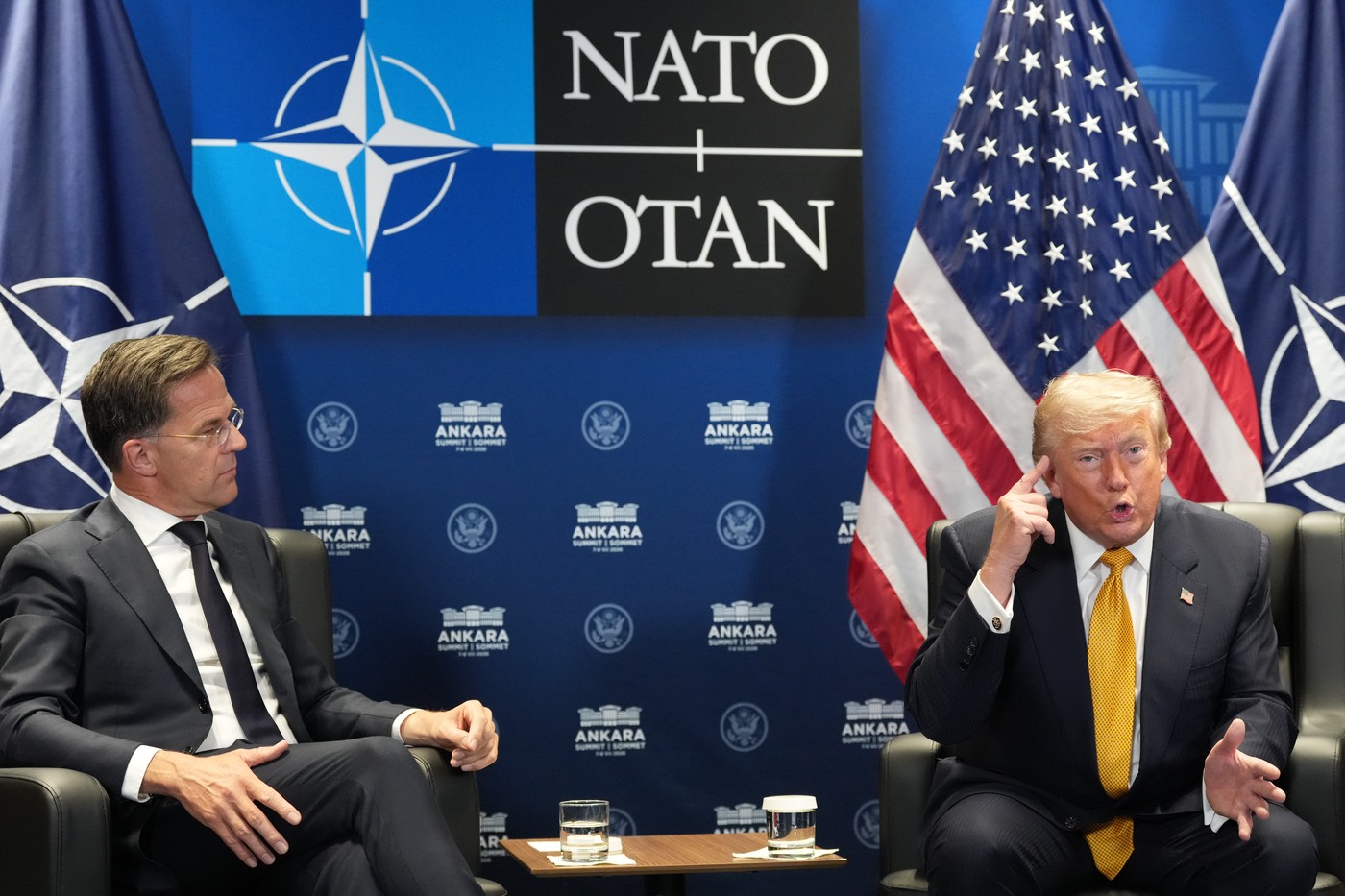
During the NATO summit in Ankara, Turkey, on Wednesday, U.S. President Donald Trump announced he had ordered a halt to all trade with Spain. Trump expressed his dissatisfaction with Spain's opposition to the U.S. military campaign in the Middle East against Iran. He reiterated accusations that Madrid is not contributing sufficiently to NATO's defense expenditures. The U.S. President characterized Spain as a "lost cause" in his remarks. This escalation signals significant tension between Washington and Madrid, particularly concerning international military engagements and burden-sharing within the NATO alliance. The announcement came just before the official opening of the NATO summit, highlighting the contentious nature of the dispute.
This event highlights a divergence in foreign policy objectives between the U.S. and Spain, specifically regarding military intervention in the Middle East. President Trump's threat to cease trade, framed as a response to Spain's stance on the Iran conflict and defense spending contributions, illustrates a transactional approach to international relations. Such actions can strain alliances by prioritizing bilateral economic leverage over collective security frameworks. The long-term implications may involve re-evaluating alliance commitments and defense burden-sharing mechanisms, potentially leading to shifts in geopolitical alignments as nations weigh their strategic interests against alliance obligations in an evolving global landscape.
AI-generated to prompt reflection — not editorial opinion, not advice, not a statement of fact. How this works.