Trump Plans to Challenge Birthright Citizenship Ruling at Supreme Court
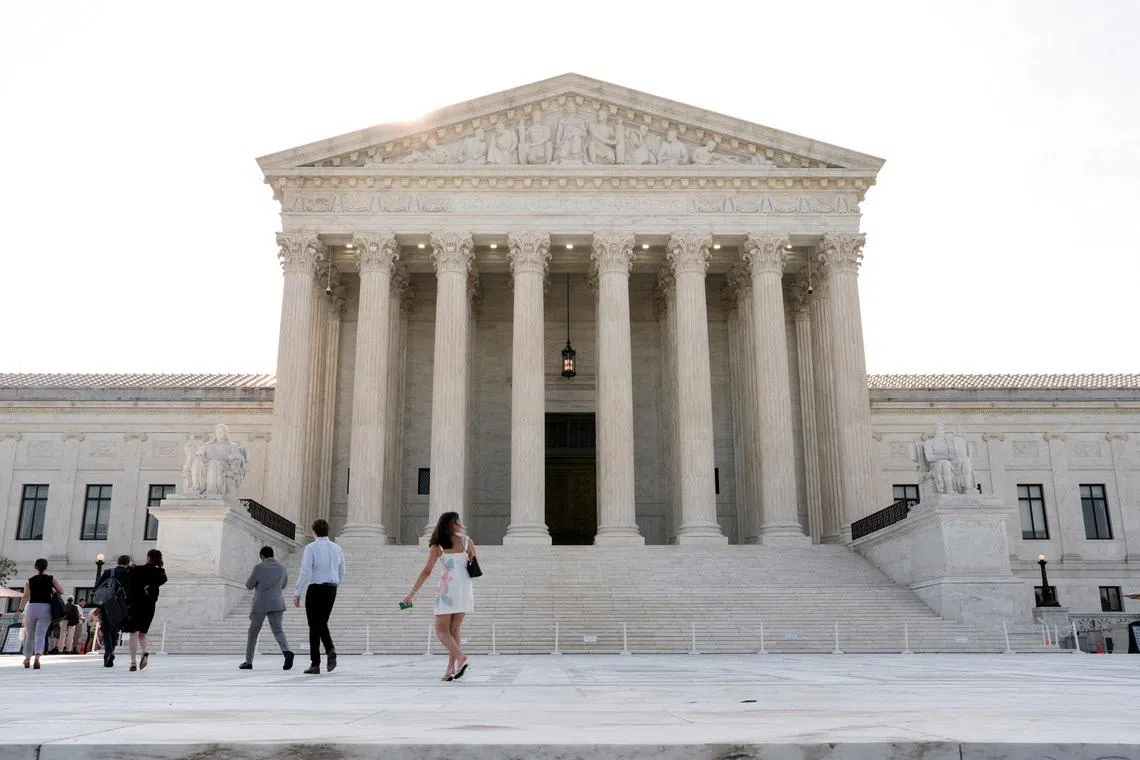
Former President Donald Trump has announced his intention to request a rehearing of a case concerning birthright citizenship at the Supreme Court. This move follows his executive order, issued in 2025, which aimed to end the practice of birthright citizenship. The executive order sought to alter the interpretation of the 14th Amendment, which has historically been understood to grant citizenship to individuals born within the United States, regardless of their parents' immigration status. Trump's administration had previously explored ways to challenge this long-standing legal precedent. The proposed executive action generated significant debate regarding its constitutionality and potential impact on millions of American families. The Supreme Court's potential involvement signals a critical juncture in the ongoing legal and political discussions surrounding immigration and citizenship in the United States. The outcome of such a rehearing could have profound implications for the nation's demographic landscape and legal framework.
The proposed executive action by former President Trump to end birthright citizenship raises complex legal and constitutional questions. Historically, birthright citizenship has been a cornerstone of American identity, rooted in the 14th Amendment. Any attempt to alter this interpretation through executive order or subsequent legal challenges will likely face significant scrutiny regarding its adherence to established constitutional law and precedent. The incentive structure for such policy shifts often stems from broader political platforms focused on immigration control. However, the potential societal and economic ramifications of revoking birthright citizenship, including impacts on social cohesion and the rights of a generation born in the U.S., warrant careful consideration. The long-term implications for national identity and legal stability in the face of evolving demographic trends and technological advancements in areas like digital identity will be critical factors in how such challenges are ultimately adjudicated and integrated into future governance.
AI-generated to prompt reflection — not editorial opinion, not advice, not a statement of fact. How this works.