Trump Praises Meeting with Zelensky
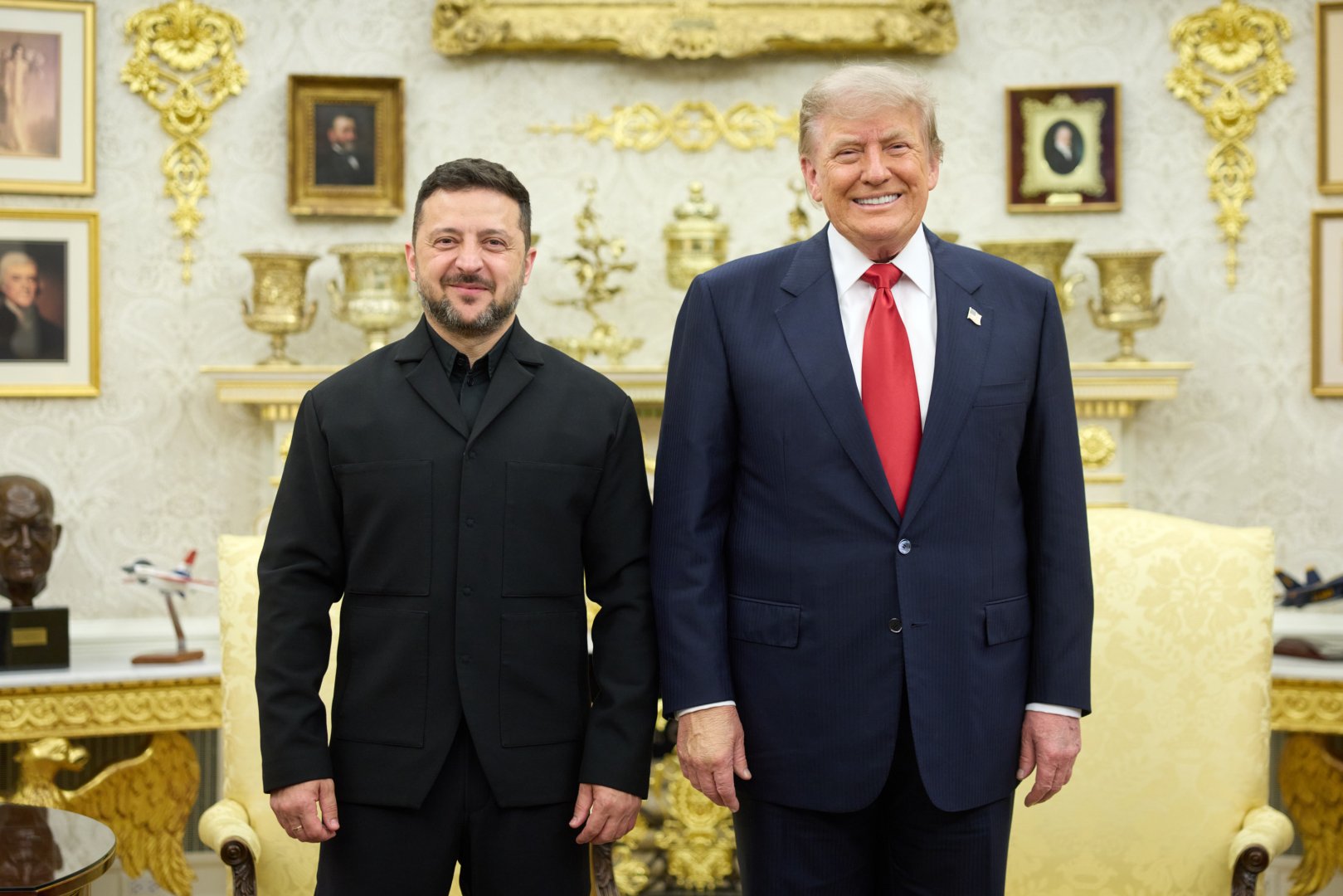
Former U.S. President Donald Trump has positively assessed his meeting with Ukrainian President Volodymyr Zelensky. Trump described the encounter as a good one, indicating a favorable impression of the Ukrainian leader. The specific details of their discussion were not disclosed, but the overall tone of Trump's remarks suggests a constructive engagement. This meeting occurred during a period of significant international focus on the ongoing conflict in Ukraine and the role of global leaders in addressing it. Trump's positive evaluation could have implications for future U.S. foreign policy discussions regarding Ukraine, should he re-enter public office. The former president has previously expressed views on the conflict, often emphasizing the need for a swift resolution. His current positive assessment of the meeting with Zelensky aligns with his stated desire for peace, though the specific pathways to achieving it remain a subject of international debate. The interaction underscores the continued global attention on Ukraine's sovereignty and territorial integrity.
This interaction between Donald Trump and Volodymyr Zelensky occurs within a complex geopolitical landscape, where U.S. foreign policy toward Ukraine is a subject of ongoing debate. Trump's positive assessment, while personal, could signal a potential shift in approach or a continuation of certain policy tenets, depending on future political developments. Evaluating such engagements requires considering the differing incentives and strategic objectives of all parties involved, including the U.S., Ukraine, and other international actors. The long-term implications will likely hinge on how these personal interactions translate into concrete policy frameworks and whether they align with broader systemic stability goals in Eastern Europe. The capacity for diplomatic dialogue to influence conflict resolution remains a critical factor in the evolving international order.
AI-generated to prompt reflection — not editorial opinion, not advice, not a statement of fact. How this works.