Trump Presidency Under Fire: Iran, Epstein, and Corruption Allegations
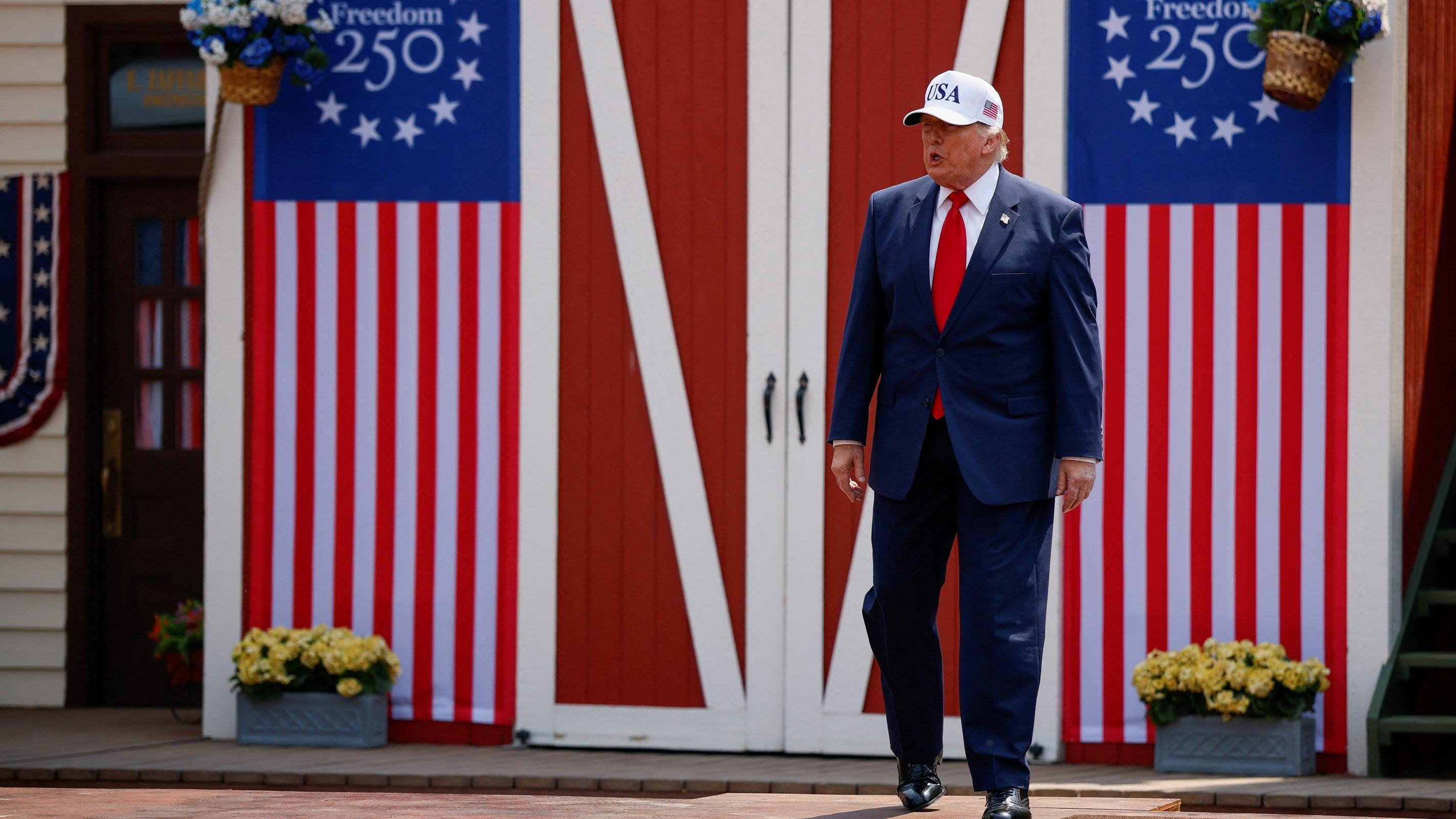
Donald Trump's presidency is facing significant challenges and scrutiny across multiple fronts. The administration's foreign policy decisions, particularly concerning Iran, have drawn considerable attention and debate. Domestically, the ongoing fallout from the Jeffrey Epstein scandal continues to cast a shadow, with implications for various prominent figures. Furthermore, allegations of corruption have persistently plagued the Trump administration, raising questions about ethical conduct and governance. The article suggests that Trump's highly personalized and instinct-driven approach to leadership is weakening his second term in office. This style of governance, characterized by a reliance on intuition rather than established processes, appears to be a central factor in the turbulence surrounding his presidency.
The concentration of executive power, particularly when wielded through instinctual decision-making, can create vulnerabilities. This approach may lead to a lack of institutional resilience and an increased susceptibility to external pressures and internal controversies. Examining the interplay between personalized leadership and governance structures is crucial for understanding the stability and effectiveness of administrations. Future presidencies may benefit from a more robust integration of established policy frameworks and diverse advisory input to navigate complex geopolitical and domestic challenges, fostering greater predictability and accountability.
AI-generated to prompt reflection — not editorial opinion, not advice, not a statement of fact. How this works.