Trump Proposes 20% Toll on Hormuz Strait Traffic Amid Tensions
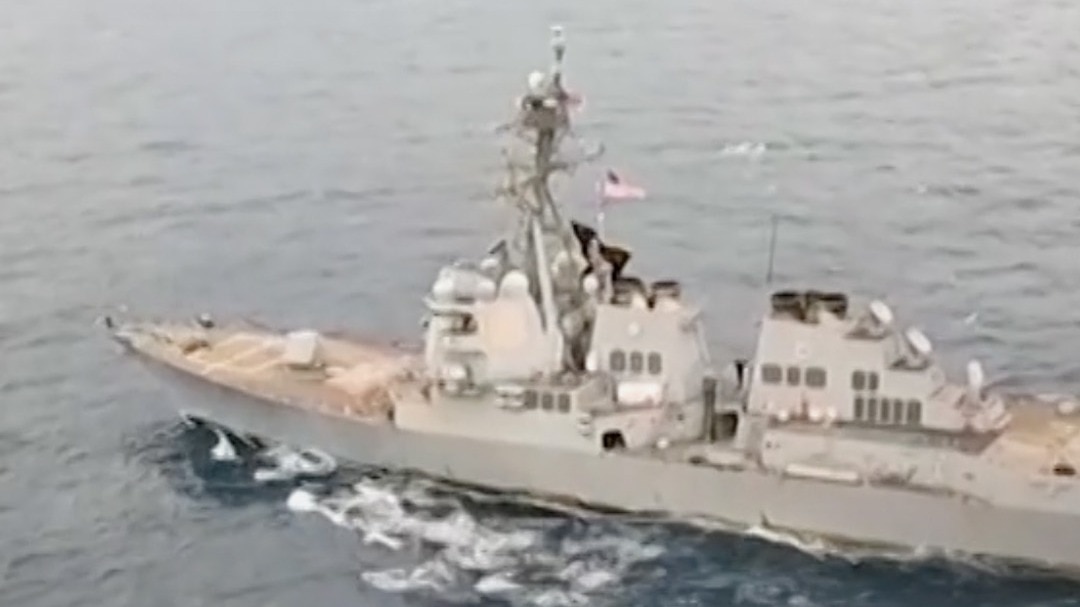
Amid escalating tensions between the United States and Iran, U.S. President Donald Trump has announced a proposal to impose a 20% toll on ships transiting the Strait of Hormuz. This critical waterway is responsible for approximately 20% of the world's oil supply. Trump's suggestion includes the implementation of a blockade, which could significantly impact oil imports and costs for numerous countries, including India. The geopolitical friction in the Strait of Hormuz has led to increased concerns about global energy security. The proposed toll and blockade measures are likely to have far-reaching economic consequences, potentially driving up global oil prices. This development highlights the strategic importance of the Strait of Hormuz and the potential for international disputes to disrupt vital trade routes. Countries heavily reliant on oil imports from the Persian Gulf region will be closely monitoring the situation and its implications for their energy policies and economic stability.
The proposed 20% toll and potential blockade of the Strait of Hormuz by the United States, framed within the context of U.S.-Iran tensions, represents a significant geopolitical maneuver. Such actions, if implemented, could drastically alter global energy markets, impacting supply chains and commodity prices worldwide. The strategic importance of the Strait, handling roughly 20% of global oil, makes it a critical chokepoint. From a systems perspective, unilateral imposition of tolls or blockades on international waterways raises complex questions of maritime law, sovereignty, and global governance. This could incentivize alternative energy routes or accelerate diversification efforts by nations reliant on this passage. The long-term implications may involve shifts in global energy alliances and increased investment in energy independence.
AI-generated to prompt reflection — not editorial opinion, not advice, not a statement of fact. How this works.