Trump Proposes US Control and Payment for Hormuz Strait
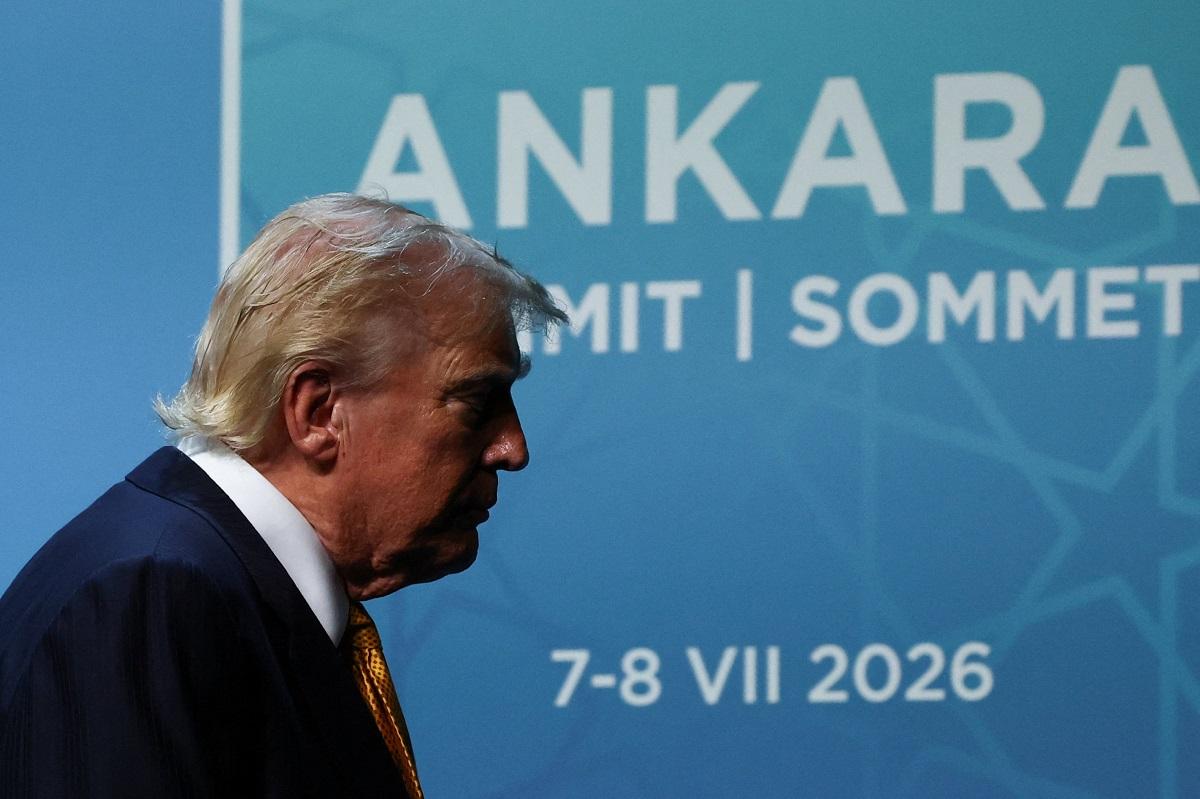
U.S. President Donald Trump stated on Monday that the United States would likely assume control over the Strait of Hormuz. He further suggested that the U.S. should receive payment for managing this critical maritime passage. The Strait of Hormuz is a strategically important chokepoint for global oil transport. Trump's remarks indicate a potential shift in U.S. policy regarding its role in securing international waterways. The proposal implies a transactional approach to national security interests in key global trade routes. The specific terms of reimbursement or the mechanism for control were not detailed in the statement.
President Trump's suggestion to control the Strait of Hormuz and seek reimbursement introduces a transactional framework to geopolitical security. This perspective may reflect an 'America First' economic lens, prioritizing direct financial returns for U.S. security expenditures. Such a model could potentially alter long-standing international norms of shared security responsibilities and freedom of navigation. It raises questions about the sustainability of global trade and energy security if access becomes contingent on direct payment, potentially creating new leverage points and dependencies in international relations. The long-term implications for global stability and the role of international cooperation in maintaining vital waterways warrant careful consideration.
AI-generated to prompt reflection — not editorial opinion, not advice, not a statement of fact. How this works.