Trump Pushes for Iran Deal Amid Economic Concerns and Midterm Elections
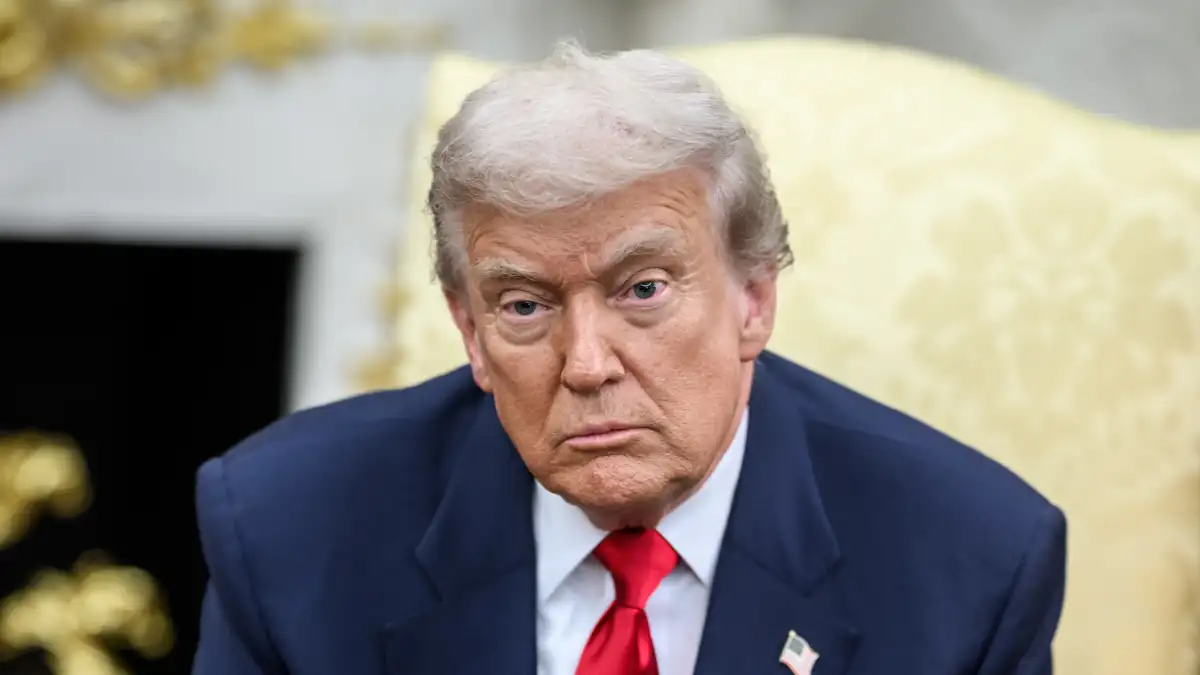
U.S. President Donald Trump has reportedly signed a memorandum of understanding with his Iranian counterpart, Massoud Pezeshkian, aiming to end the conflict between the two nations that began in late February 2026. CNN, citing sources within the U.S. administration, indicated that the White House is pushing for a swift resolution. This development comes as the Trump administration faces both economic pressures and the upcoming midterm elections, suggesting a strategic push for foreign policy achievements. The urgency to finalize an agreement may be influenced by domestic political considerations and the desire to present a successful foreign policy outcome to the American public. The details of the memorandum and the specific terms of the potential peace agreement remain undisclosed, but the reported signing marks a significant step in de-escalating tensions. The involvement of President Pezeshkian highlights a potential shift in Iranian foreign policy engagement. Further information is expected as the administration navigates the complexities of international diplomacy and domestic political cycles.
The reported U.S. push for an agreement with Iran, timed around economic considerations and domestic electoral cycles, reflects a common dynamic where foreign policy objectives become intertwined with political expediency. The incentive structure for the U.S. administration may prioritize demonstrating decisive leadership and achieving tangible diplomatic successes to bolster public perception ahead of midterm elections. This approach, however, carries inherent risks, as rapid agreements can sometimes overlook long-term strategic implications or fail to address underlying geopolitical complexities. The potential for such a deal to be influenced by short-term political gains rather than comprehensive national interest requires careful scrutiny. Future developments will reveal whether this agreement represents a sustainable de-escalation or a temporary political maneuver.
AI-generated to prompt reflection — not editorial opinion, not advice, not a statement of fact. How this works.