Trump Reduces Utah's Bears Ears and Grand Staircase-Escalante National Monuments
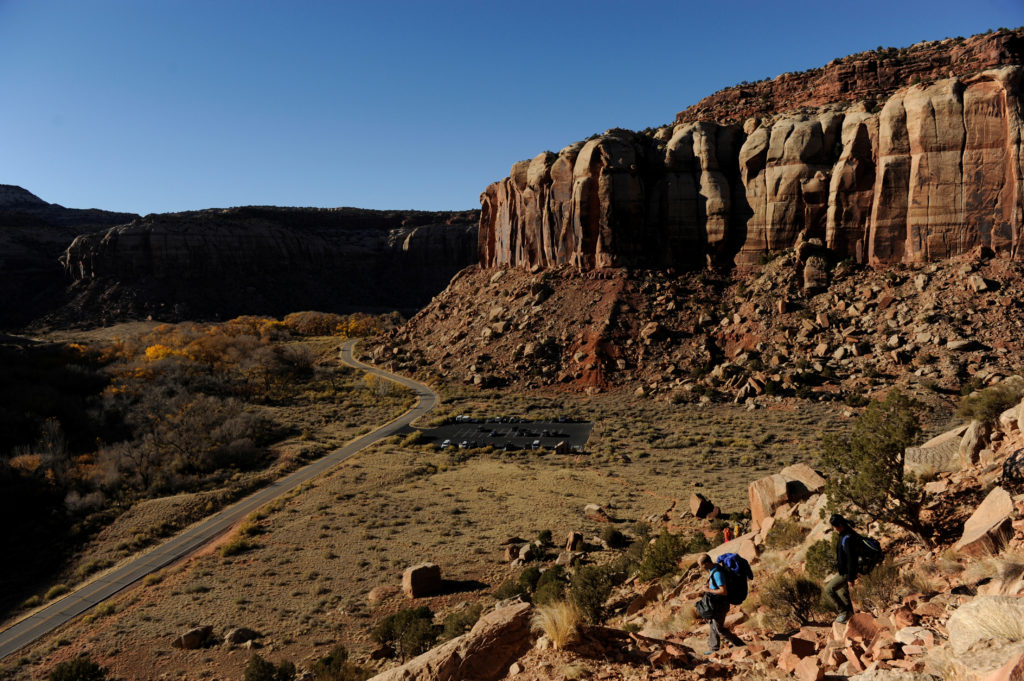
President Donald Trump announced on Monday his decision to significantly reduce the size of two national monuments in Utah: Bears Ears and Grand Staircase-Escalante. The announcement marks a reversal of protections previously established for these significant natural and cultural sites. The move has been met with considerable controversy, with supporters arguing it opens up land for development and resource extraction, while opponents contend it diminishes vital conservation efforts and disregards indigenous heritage. The exact scale of the reduction and the specific areas affected are key details of this significant policy change. This action is expected to face legal challenges from environmental groups and Native American tribes who have historically advocated for the preservation of these lands. The decision reflects a broader pattern of the Trump administration seeking to roll back environmental regulations and open federal lands for commercial use. The future of these reduced monument areas will likely be shaped by ongoing legal battles and public debate.
President Trump's decision to shrink Utah's national monuments represents a significant shift in federal land management policy. This action prioritizes potential resource extraction and development over conservation and indigenous land rights, reflecting a specific economic and political philosophy. The ensuing legal challenges will likely hinge on the interpretation of the Antiquities Act and the balance between executive power and environmental protection. This event highlights a recurring tension between economic interests and preservationist goals in the United States, a dynamic that will continue to shape land use policy in the face of evolving environmental and societal priorities over the next decade.
AI-generated to prompt reflection — not editorial opinion, not advice, not a statement of fact. How this works.