Trump Refuses to Sign Major Housing Bill, Demanding Voter ID Legislation
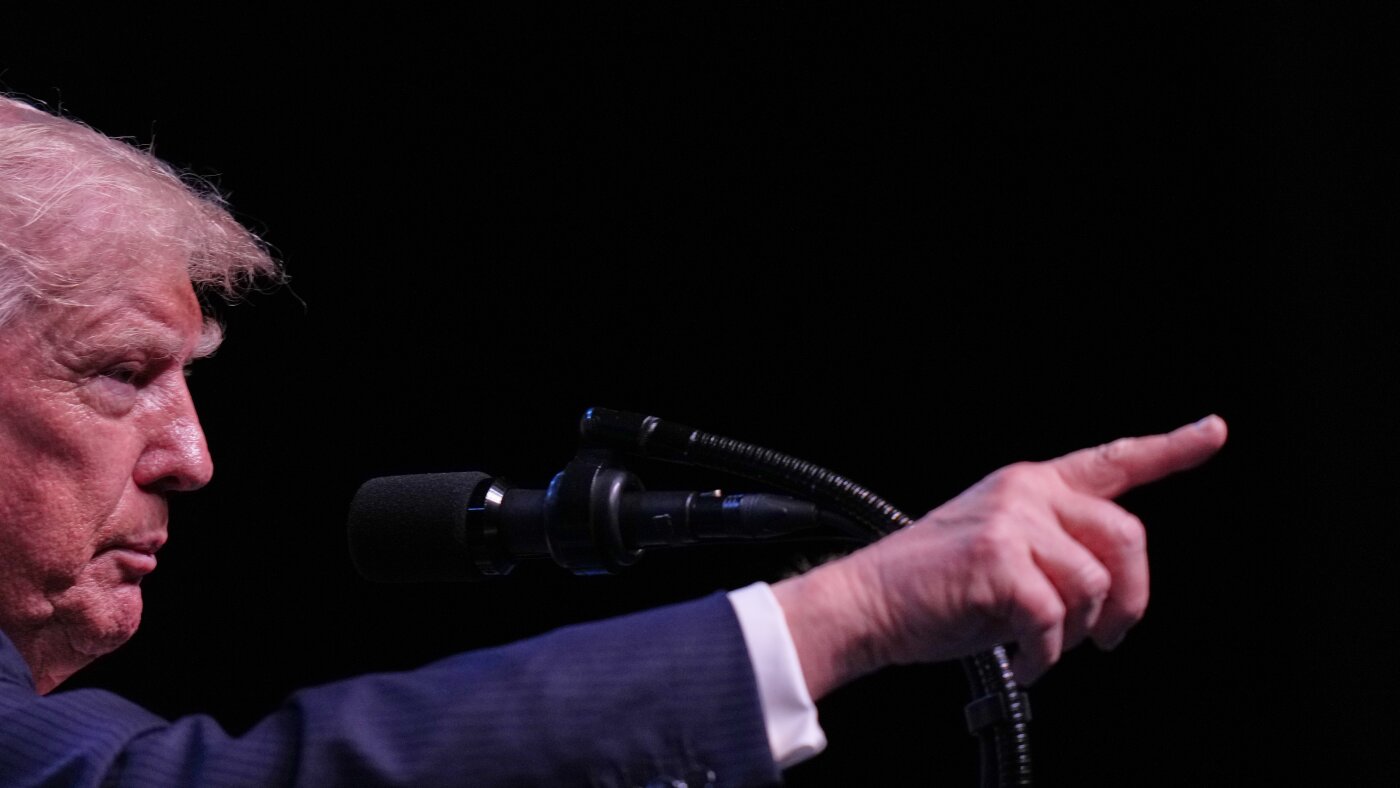
President Trump has announced his refusal to sign a significant housing bill that is scheduled to become law at midnight. His decision comes with a condition: he demands that Congress first pass his proposed sweeping voter ID legislation. The President's stance creates a potential conflict as the housing bill is poised to be enacted without his signature. This development highlights a political standoff between the executive branch and Congress over legislative priorities. The housing bill's fate now hangs in the balance, contingent on the resolution of the voter ID demand. Further details on the specific provisions of the housing bill and the proposed voter ID requirements were not immediately available. The situation underscores the complex interplay of legislative processes and executive demands in US policymaking. The implications of the bill becoming law without a presidential signature remain to be seen.
This situation presents a clear instance of executive leverage being applied to legislative processes. President Trump's refusal to sign the housing bill, contingent on the passage of his voter ID bill, suggests a strategic attempt to use a popular or necessary piece of legislation as a bargaining chip. This tactic highlights potential governance challenges where the executive branch can significantly influence or delay congressional action through conditional approvals. From a systems perspective, this raises questions about the efficiency and fairness of legislative bargaining, particularly when fundamental rights or access to housing are involved. The long-term implications could involve setting precedents for future executive-congressional negotiations, potentially leading to increased gridlock or, conversely, more targeted policy outcomes based on executive priorities.
AI-generated to prompt reflection — not editorial opinion, not advice, not a statement of fact. How this works.