Trump Reinstates Hormuz Blockade, Ending Final Iran Concession
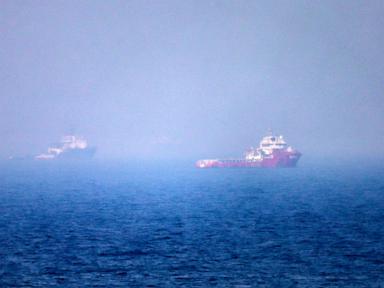
President Trump has reimposed a naval blockade and will levy charges on commercial ships traversing the Strait of Hormuz. This action effectively dissolves the last remaining concession made to Iran within a preliminary peace agreement. The decision marks a significant shift in policy, potentially escalating tensions in the region. The Strait of Hormuz is a critical chokepoint for global oil transport, making any disruption there highly consequential for international markets. The implications of this blockade on regional stability and global trade are yet to be fully assessed. This move signifies a complete reversal of previous diplomatic efforts aimed at de-escalation with Iran.
The reinstatement of the naval blockade and associated charges on commercial shipping through the Strait of Hormuz represents a significant policy reversal. This action appears to dismantle the final element of a prior preliminary agreement with Iran, potentially signaling a shift towards a more confrontational stance. The strategic importance of the Strait of Hormuz as a global energy transit route means such measures carry substantial geopolitical and economic ramifications. Future developments will likely hinge on the interplay between national security objectives, international maritime law, and the economic stability of global energy markets. This policy shift warrants close observation for its impact on regional dynamics and broader international relations over the coming decade.
AI-generated to prompt reflection — not editorial opinion, not advice, not a statement of fact. How this works.