Trump Rejects Hormuz Toll, Continues Iran Trade Blockade
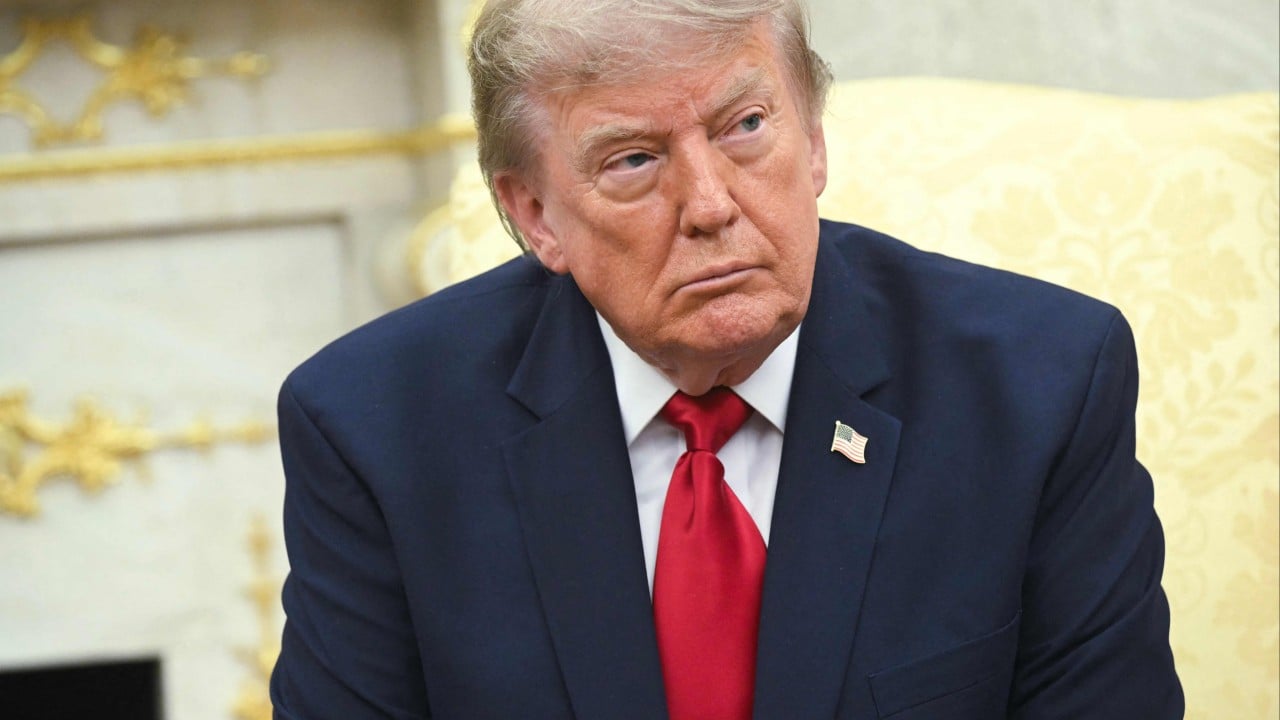
U.S. President Donald Trump announced on Tuesday that he has abandoned a proposal to implement a 20 percent toll on commercial cargo transiting the Strait of Hormuz. This decision came less than a day after the plan was initially revealed. The President stated that the proposed fee would be superseded by new trade and investment agreements with Gulf states. This shift followed extensive discussions with leaders from the Middle East region. Despite withdrawing the toll plan, President Trump affirmed that the administration would continue with its existing naval blockade aimed at disrupting Iranian trade. The White House indicated that the new agreements would serve as the primary mechanism for engaging with regional partners on economic matters related to the strait.
The U.S. administration's pivot from a proposed Hormuz toll to trade agreements suggests a recalibration of its strategy for influencing regional commerce and geopolitical dynamics. This approach may aim to foster cooperation and secure economic leverage through bilateral arrangements rather than unilateral taxation. Such a strategy could be viewed as an attempt to align economic pressure with diplomatic engagement, potentially offering Gulf states incentives for participation in U.S. foreign policy objectives. The effectiveness of this revised approach will depend on the substance and enforceability of the forthcoming trade and investment agreements, and their ability to achieve the intended outcomes without creating new dependencies or unintended market distortions.
AI-generated to prompt reflection — not editorial opinion, not advice, not a statement of fact. How this works.