Trump Rejects Strait of Hormuz Tariffs, Wants Them for US Benefit
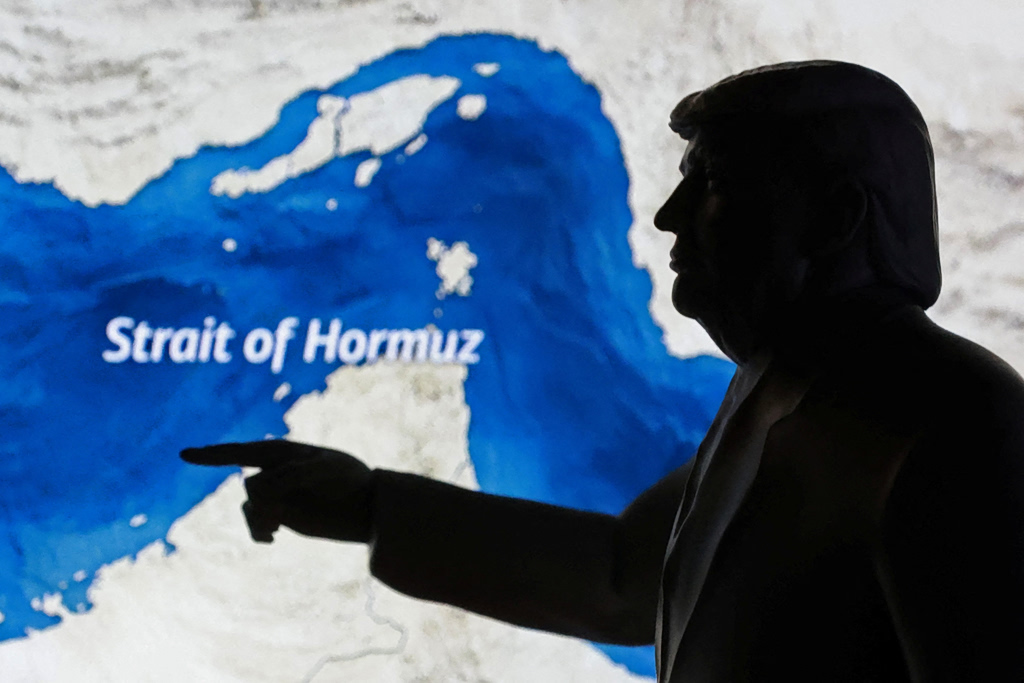
US President Donald Trump has reportedly rejected the idea of imposing tariffs on the Strait of Hormuz. However, he also expressed a desire to implement such tariffs for the benefit of the United States. This stance appears to be inconsistent with statements made by Secretary of State Mike Pompeo and even with Trump's own previous remarks on the matter. The legality of the US imposing tariffs in international waters, particularly concerning a critical global shipping lane like the Strait of Hormuz, is questionable. Such a move could have significant geopolitical and economic ramifications, potentially disrupting global trade and increasing tensions in the region. The conflicting statements suggest a lack of clear policy direction or internal disagreement within the administration regarding this sensitive issue. Further clarification on the administration's intentions and the legal basis for any such action is needed.
The reported conflicting statements from the US administration regarding potential tariffs on the Strait of Hormuz highlight a recurring challenge in policy formulation: balancing national interests with international legal frameworks and global economic stability. The assertion of unilateral economic measures in vital international waterways raises questions about adherence to established maritime law and the potential for unintended consequences, such as trade disruption and geopolitical escalation. Future policy decisions in this domain will likely be shaped by the interplay between domestic political objectives and the imperative to maintain predictable international relations, particularly in an era of increasing global interdependence and technological shifts impacting trade routes.
AI-generated to prompt reflection — not editorial opinion, not advice, not a statement of fact. How this works.