Trump renews call for US control of Greenland; Denmark says 'not for sale'
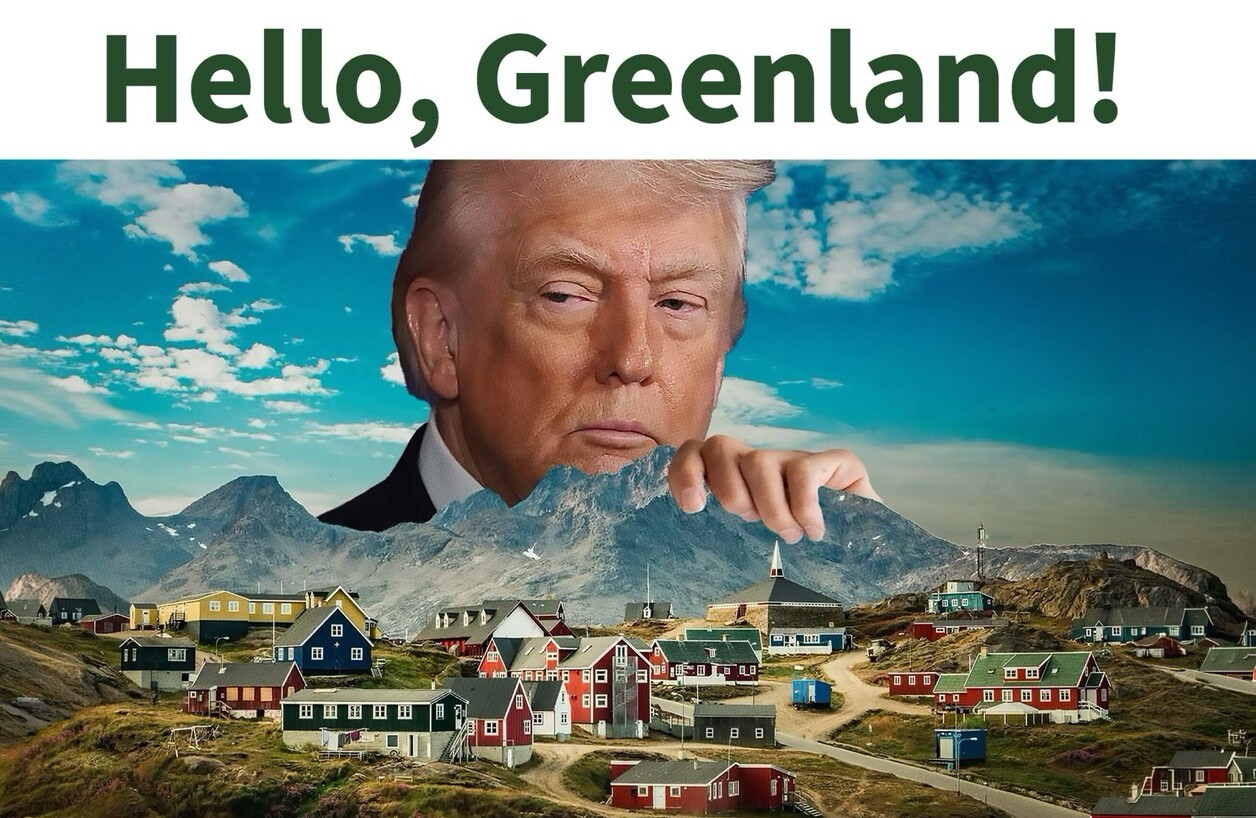
During a NATO summit in Ankara, Turkey, U.S. President Donald Trump reiterated his assertion that the United States should control Greenland, rather than Denmark. Trump stated that Greenland does not benefit from Danish support and that its strategic importance to the U.S. is heightened by Chinese and Russian presence in the Arctic. He criticized Denmark for not investing more in Greenland, despite U.S. financial support for the region against Russia. In response, Danish Prime Minister Mette Frederiksen emphasized that Greenland is not for sale and asserted Denmark's sovereignty. This statement follows previous discussions and a public display of interest from Trump, who posted a doctored image of himself "holding" Greenland on Truth Social with the caption "Hello, Greenland!". The U.S. interest in Greenland is driven by its strategic Arctic location and mineral reserves, which are crucial for national security amidst growing Russian and Chinese influence. Greenland, an autonomous territory of Denmark, hosts the U.S. Pituffik Space Base. Trump's persistent overtures have caused diplomatic friction, with both Danish and Greenlandic authorities repeatedly stating the island is not for sale. Local protests against U.S. overtures have occurred in Nuuk, Greenland's capital. The U.S. interest in acquiring Greenland is not new, as Trump previously suggested purchasing the island during his first term, a proposal that Denmark rejected.
President Trump's repeated assertions regarding U.S. control over Greenland highlight a geopolitical strategy focused on securing strategic Arctic territories amidst rising competition. This approach prioritizes national security interests and resource access, potentially overlooking established international norms and the self-determination of autonomous regions. The Danish response underscores the principle of sovereignty and territorial integrity, framing the issue as a matter of ownership rather than strategic necessity. The U.S. pursuit of Greenland reflects a broader trend of great power competition in the Arctic, driven by climate change opening new shipping routes and access to critical minerals. Future diplomatic engagements will likely involve balancing U.S. strategic imperatives with the sovereign rights of Denmark and the aspirations of Greenlandic self-governance.
AI-generated to prompt reflection — not editorial opinion, not advice, not a statement of fact. How this works.