Trump Repeating Past US Mistakes in Afghanistan and Iran, Critics Say
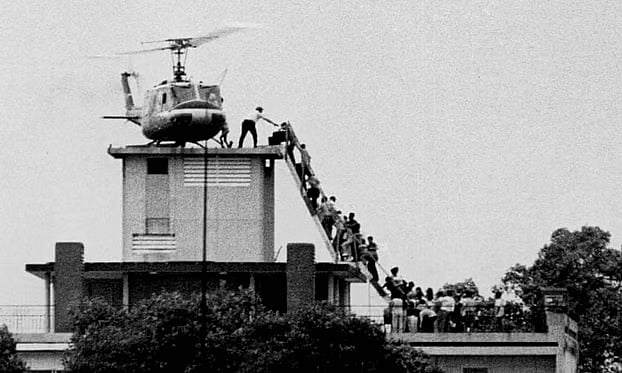
Critics argue that former President Donald Trump is repeating the same disastrous mistakes the United States made in Afghanistan and Iraq. They contend that despite the failures in these two conflicts, the U.S. has not learned its lessons. Trump's potential actions against Iran are seen by some as a destructive repetition of those old, endless wars. This perspective suggests a pattern of strategic missteps by the U.S. in its foreign policy, particularly in the Middle East. The comparison highlights concerns about the long-term consequences of military interventions and the potential for escalating regional instability. The original article implies a lack of strategic learning from past costly engagements, raising questions about future U.S. foreign policy decisions. The critique centers on the perceived cyclical nature of U.S. foreign policy blunders, particularly regarding prolonged military involvement and its associated human and financial costs. The author suggests that the U.S. is on a path to repeat historical errors, potentially leading to further conflict and instability.
The assertion that the U.S. is repeating past foreign policy errors, particularly concerning military interventions in the Middle East, warrants examination through the lens of strategic incentives and geopolitical dynamics. Past engagements in Afghanistan and Iraq incurred significant human and financial costs, raising questions about the efficacy of prolonged military solutions and the identification of sustainable exit strategies. The critique suggests a potential disconnect between stated foreign policy objectives and the actual outcomes, possibly driven by complex domestic political considerations or miscalculations of regional actors' responses. Evaluating such actions requires a careful analysis of the evolving global landscape, the rise of non-state actors, and the increasing importance of diplomatic and economic statecraft in addressing international challenges. Future policy decisions will likely be shaped by the lessons learned, or not learned, from these historical precedents, influencing the U.S. approach to conflict resolution and international relations in the coming decade.
AI-generated to prompt reflection — not editorial opinion, not advice, not a statement of fact. How this works.