Trump Replaces Strait of Hormuz Toll Plan with Gulf Investment Deals
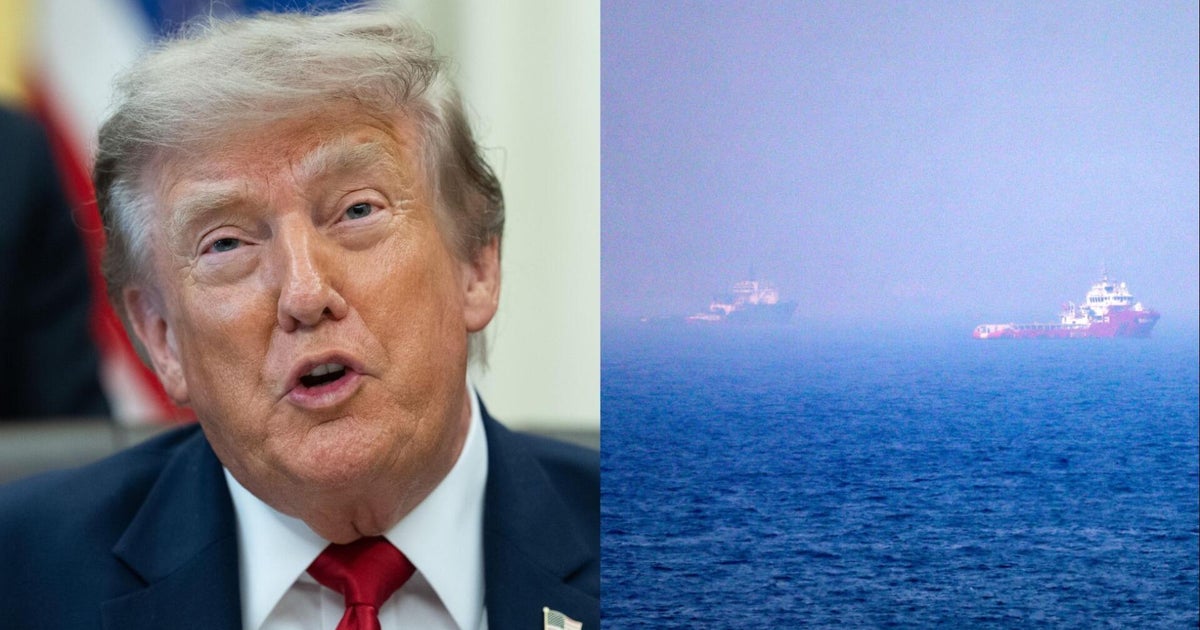
President Trump has abandoned his proposed 20% cargo fee for vessels transiting the Strait of Hormuz. Instead of implementing the toll, the administration has opted to pursue investment deals with Gulf nations. This policy shift was announced by President Trump, who stated his decision to replace the fee with these new investment agreements. The details of this development were further elaborated upon by CBS News reporter Aaron Navarro. The original plan aimed to generate revenue or exert pressure through a significant fee on maritime trade in the strategically vital waterway. The pivot towards investment deals suggests a change in strategy, potentially seeking to foster economic partnerships and secure financial commitments from Gulf countries. This move could have implications for regional economic relations and the flow of trade through the Strait of Hormuz.
The U.S. administration's shift from a potential cargo toll on the Strait of Hormuz to pursuing investment deals with Gulf nations represents a strategic recalibration. This approach may aim to leverage economic interdependence rather than direct financial extraction, potentially fostering longer-term stability and cooperation. The effectiveness of this strategy will depend on the terms of the investment deals and the willingness of Gulf nations to commit significant capital. Such agreements could influence regional economic dynamics and the geopolitical landscape, aligning U.S. interests with those of its Gulf partners through shared economic objectives. This move warrants observation for its impact on global trade routes and international economic policy.
AI-generated to prompt reflection — not editorial opinion, not advice, not a statement of fact. How this works.