Trump Reportedly Considers New Global Tariffs, Including 50% on Canadian Goods
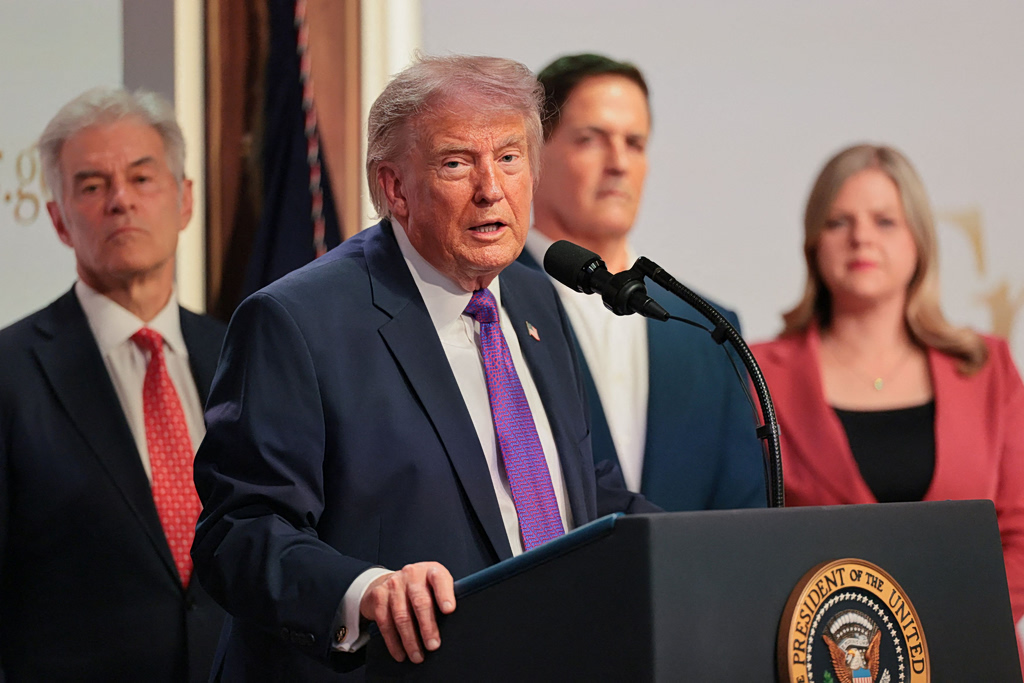
According to a Financial Times report, former U.S. President Donald Trump is reportedly considering new trade measures that could include imposing a 50% tariff on a range of Canadian products. The proposals also involve the potential for new global tariffs affecting dozens of countries. This comes as a temporary 10% global tariff is set to expire on Friday, July 24th. The specific details of the proposed measures and the full list of affected countries have not yet been fully disclosed. The potential imposition of these tariffs signifies a significant shift in U.S. trade policy, moving towards more protectionist measures. Such actions could have substantial repercussions for international trade relations and global supply chains. The Financial Times article suggests these considerations are part of a broader strategy to reshape global commerce under a potential future administration. The economic impact on both the United States and its trading partners is expected to be considerable, potentially leading to retaliatory measures from other nations. The situation remains fluid as these proposals are reportedly still under review.
The potential reintroduction of broad global tariffs by a former U.S. president, as reported by the Financial Times, warrants examination through the lens of trade policy dynamics and geopolitical stability. Such measures, if implemented, could significantly disrupt established international trade agreements and supply chains, potentially leading to increased costs for consumers and businesses globally. The strategic rationale behind such tariffs often centers on protecting domestic industries and addressing perceived trade imbalances. However, historical precedent suggests that widespread tariffs can also trigger retaliatory actions from trading partners, escalating into trade disputes that harm all involved economies. Evaluating this potential policy shift requires considering its long-term implications for global economic integration, the competitiveness of U.S. industries, and the broader international order in the coming decade, particularly in an era increasingly shaped by technological advancements and evolving economic power structures.
AI-generated to prompt reflection — not editorial opinion, not advice, not a statement of fact. How this works.